
Electric or nitrogen: the cryo chamber compared.
Anyone choosing a whole-body cryo chamber for commercial use compares the cooling method first and the cost over its service life second. This page sets the two technologies side by side, lists the power connection, footprint and maintenance for all four POWERCAB models, and shows what the running costs are made up of.
Book a consultation →Request the brochure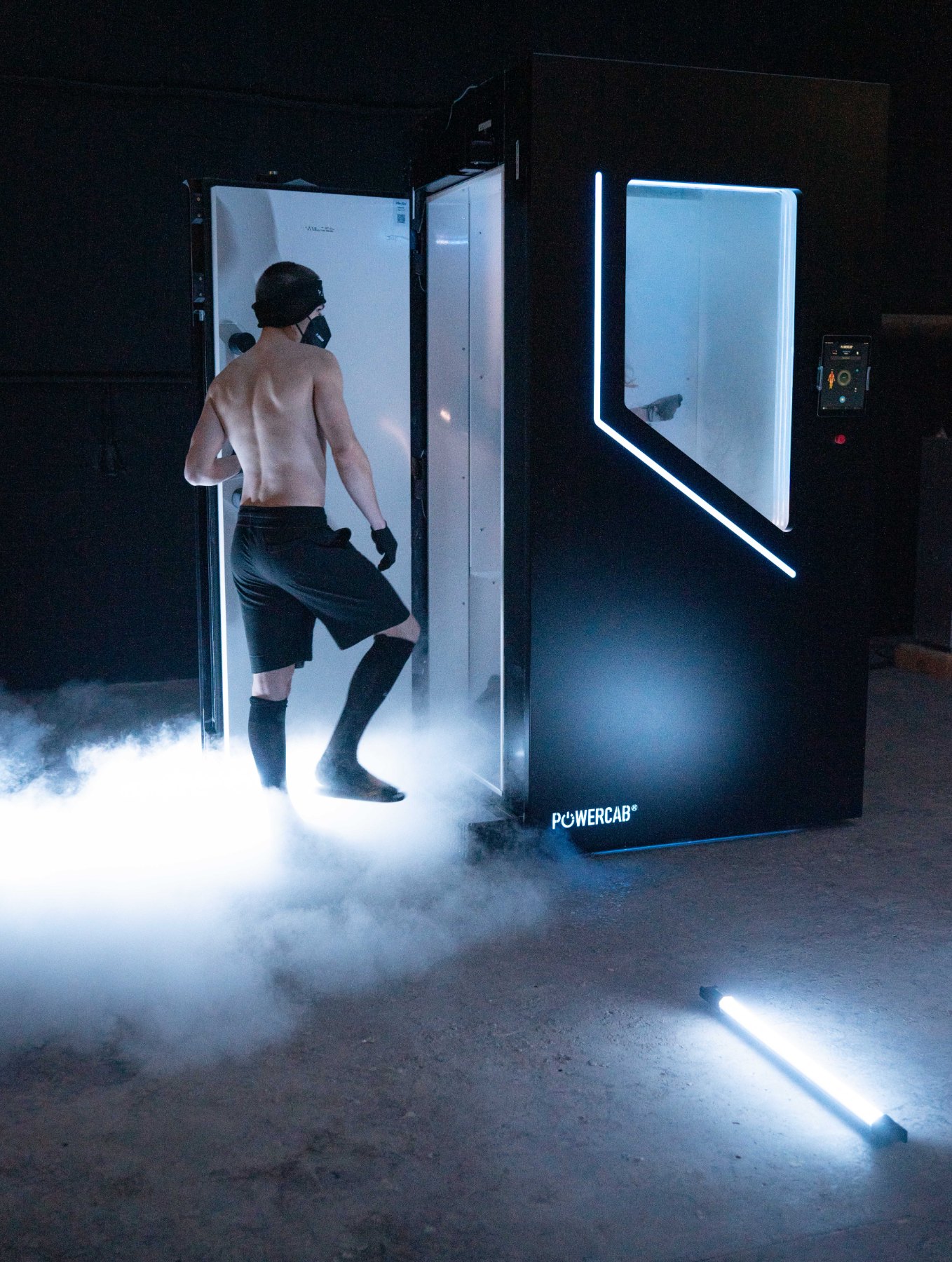
Electric, not nitrogen.
The cooling method shapes the logistics, running costs and siting of a cryo chamber more than any other feature. The comparison shows where the two technologies differ in day-to-day operation.
POWERCAB · electric
Nitrogen-based systems
One, Light, Storm and Pro side by side.
The four models differ in cooling power, session frequency and daily capacity. Which one fits depends on the footfall you expect and the room you have.
What the chamber has to earn.
Whether a cryo chamber pays for itself comes down to a handful of figures. Choose the model and set the sliders to your own numbers; in the consultation we work through your case in detail.
Sample calculation based on the figures you enter. It does not replace an individual business case and is no assurance of revenue or utilisation.
What the site has to provide.
An electric cryo chamber asks little of the room. POWERCAB stands against a wall or in a corner and, depending on the model, takes up between 1.20 × 1.40 m and 1.94 × 1.38 m of floor space at a height of 2.27 to 2.43 m. Room temperature should stay below 23 °C and humidity below 35%.
The One runs on a 230 V supply; Light, Storm and Pro need 400 V at 16 A, and the Pro needs two such connections. With no nitrogen to store, there is no tank bay and no delivery route to plan. We check the location, power supply and ventilation against your floor plan before you order.

What is behind the cold.
Three areas decide effort and cost in day-to-day operation: how the cold is generated, how the chamber is installed and how it is run.
Cooling
An electric refrigeration circuit with natural refrigerants; the Pro has a dual compressor.
Installation
Set against a wall or in a corner, connected to 230 V or 400 V depending on the model.
Operation
Automatic programmes in the iPad app, automatic drying and remote support from the manufacturer.
POWERCAB in use.


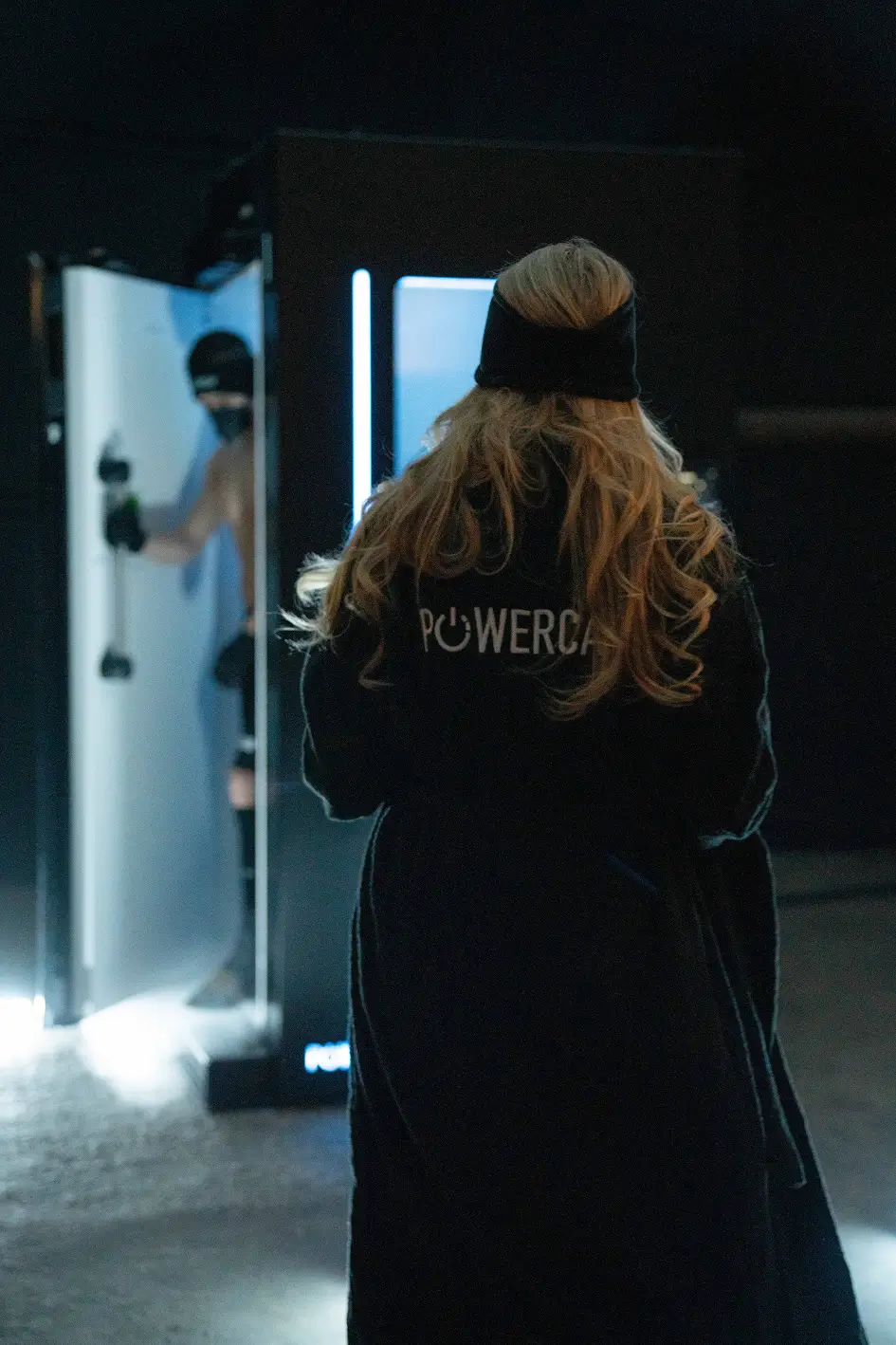
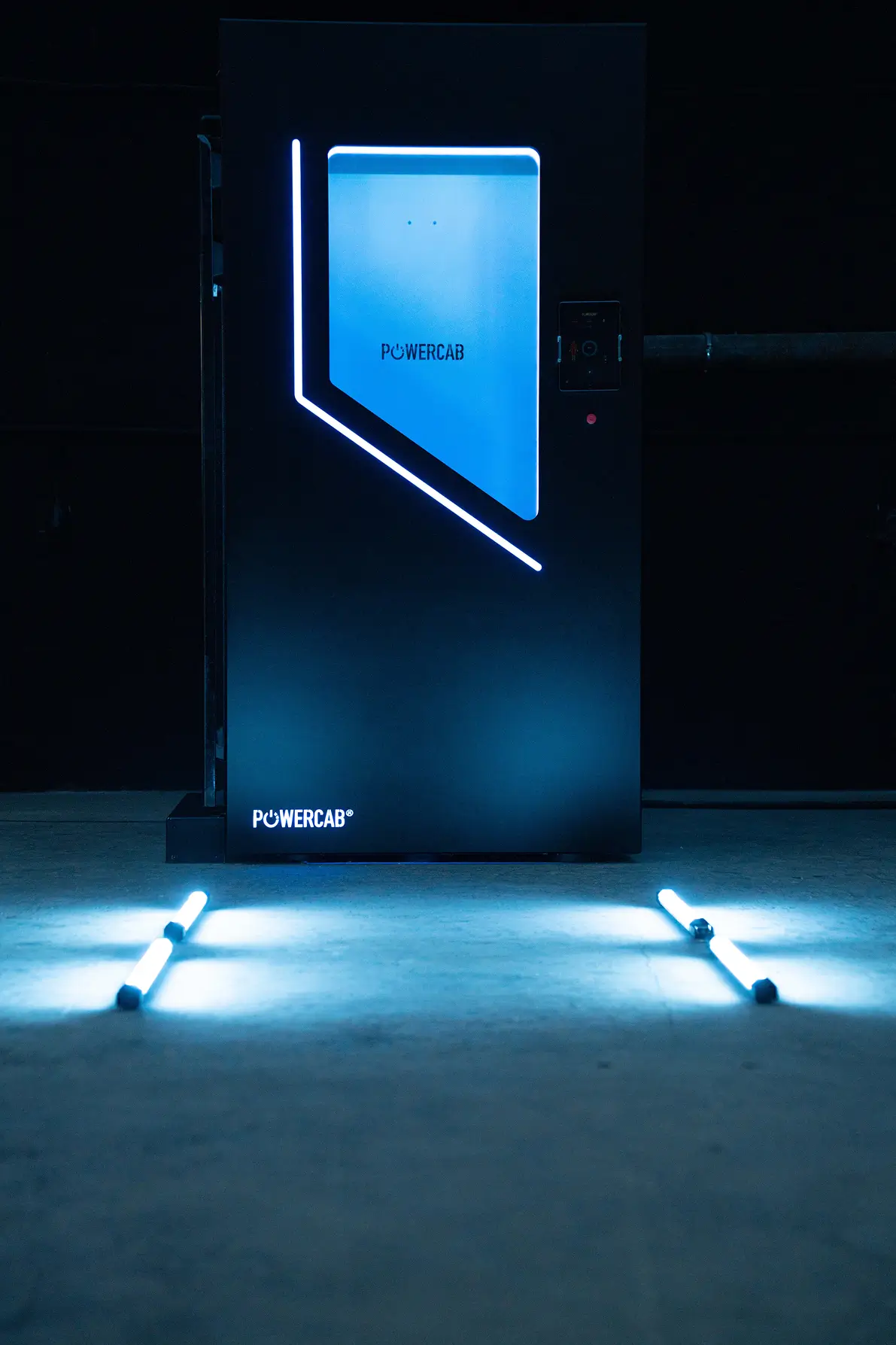
In use at sports clubs, hotels and practices worldwide.













PLACEHOLDER: an operator's quote goes here, two or three sentences on running the POWERCAB in their own business.
Medner Longevity Systems. Developed and built in Germany.
Medner develops and builds cryo and recovery systems in Germany. Thermodynamic simulation, control technology and production are all in-house, so operators deal with the manufacturer itself for planning, delivery and service.
The team brings together engineers, technicians and sales specialists from several countries. Its systems are in use worldwide in longevity, wellness, hospitality and performance concepts.
From the first conversation to the first session.
Consultation
We establish your target group, the footfall you expect and the model that suits it.
Planning
Working from your floor plan, we check the installation site, power connection and ventilation.
Delivery
Delivery, installation and staff training all come from one source.
Operation
Service comes from the manufacturer in Berlin, and remote support is included with every model.
Technology and costs: the questions asked most often.
What does a cryo chamber for commercial use cost?
Purchase prices for commercial cryo chambers range from around €20,000 to €150,000 on the market, depending on cooling performance and daily capacity. We quote the price of the right POWERCAB model in our offer, as a purchase, lease or financing arrangement.
What are the running costs?
For an electric cryo chamber they come down to electricity and annual maintenance. Average power consumption is between 2 and 7 kW depending on the model, and no coolant has to be bought. Nitrogen-based systems add the nitrogen used per session, plus delivery and the tank.
What power connection and how much space does the chamber need?
The One runs on 230 V; Light, Storm and Pro need 400 V and 16 A, the Pro two connections. The footprint is between 1.20 × 1.40 m and 1.94 × 1.38 m depending on the model, and the room should stay below 23 °C and 35% humidity. All dimensions are listed in the model comparison.
How do electric and nitrogen-based systems differ?
An electric chamber generates the cold in a closed refrigeration circuit and needs nothing but electricity. Nitrogen-based systems cool with evaporating liquid nitrogen, which is delivered regularly and stored in tanks. The result is a difference in logistics, cost structure and room planning.
Can I lease or finance the chamber?
Yes. Purchase, leasing and financing are covered in the consultation, together with the business case for your operation.
How often is the chamber serviced, and who provides the service?
The maintenance interval for the commercial models is twelve months. Medner, the manufacturer, handles maintenance and service from Berlin, and remote support is included with every model.
Book a call directly.
Pick a free slot in the calendar for a conversation with our sales team. We go through your business, the model that suits it and the business case; confirmation arrives by email straight away.
Request the brochure.
Prefer to read up first? Tell us about your business and the model you have in mind. We will send you the POWERCAB brochure and answer your questions.