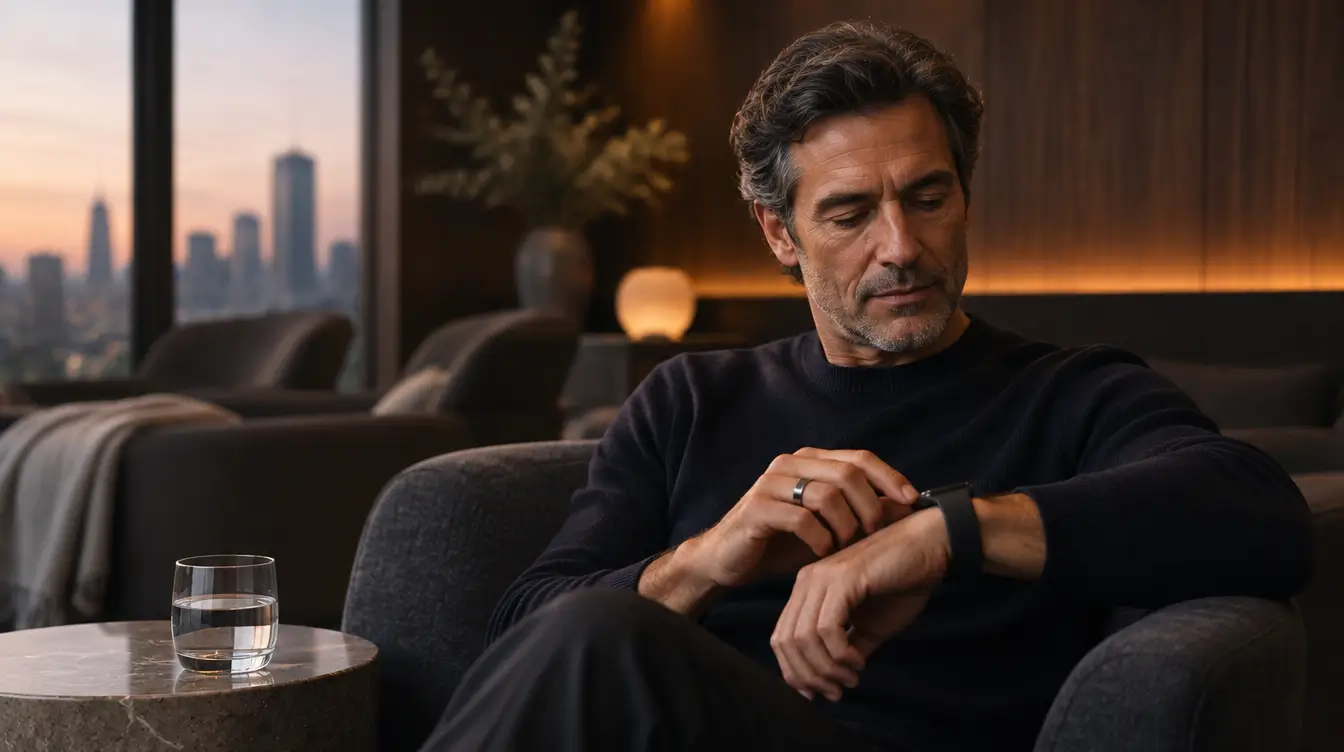
Biohacking Trends 2026: What Executives and Professional Athletes Now Combine
Biohacking has arrived in the middle of the premium clientele in 2026. In its wellness trend report for 2026, Six Senses names the wellbeing of executives and the C-suite as a central trend. [1] At the same time, professional sports teams rely on the same set of modalities. This article shows five biohacking trends for 2026 that are setting the standard in the premium market, and how the modalities combine into a consistent stack.
Overview
Five trends, five building blocks
POWERCAB
HALOCAB
ARMSTRONG
POWERCAB · HALOCAB · ARMSTRONG
Software and wearables
A summary of the five sections of this article.
Trend 1: Cold plunge and whole-body cryotherapy as standard
What was reserved for premium spas ten years ago is now basic equipment in the performance segment. Top athletes set up private recovery rooms with cold plunge and whole-body cryotherapy, executives invest in their own recovery areas, and numerous professional clubs have established cryotherapy as a fixed part of recovery protocols.
The difference in 2026 lies less in the modality than in its integration:
- Cryotherapy is no longer booked as a single application but as a module in structured recovery programmes.
- Data connection (HRV, wearables, tracking apps) makes the experience visible and comparable over weeks.
- In the premium segment, the electric whole-body chamber with a true whole-body principle dominates over older nitrogen cryo saunas.
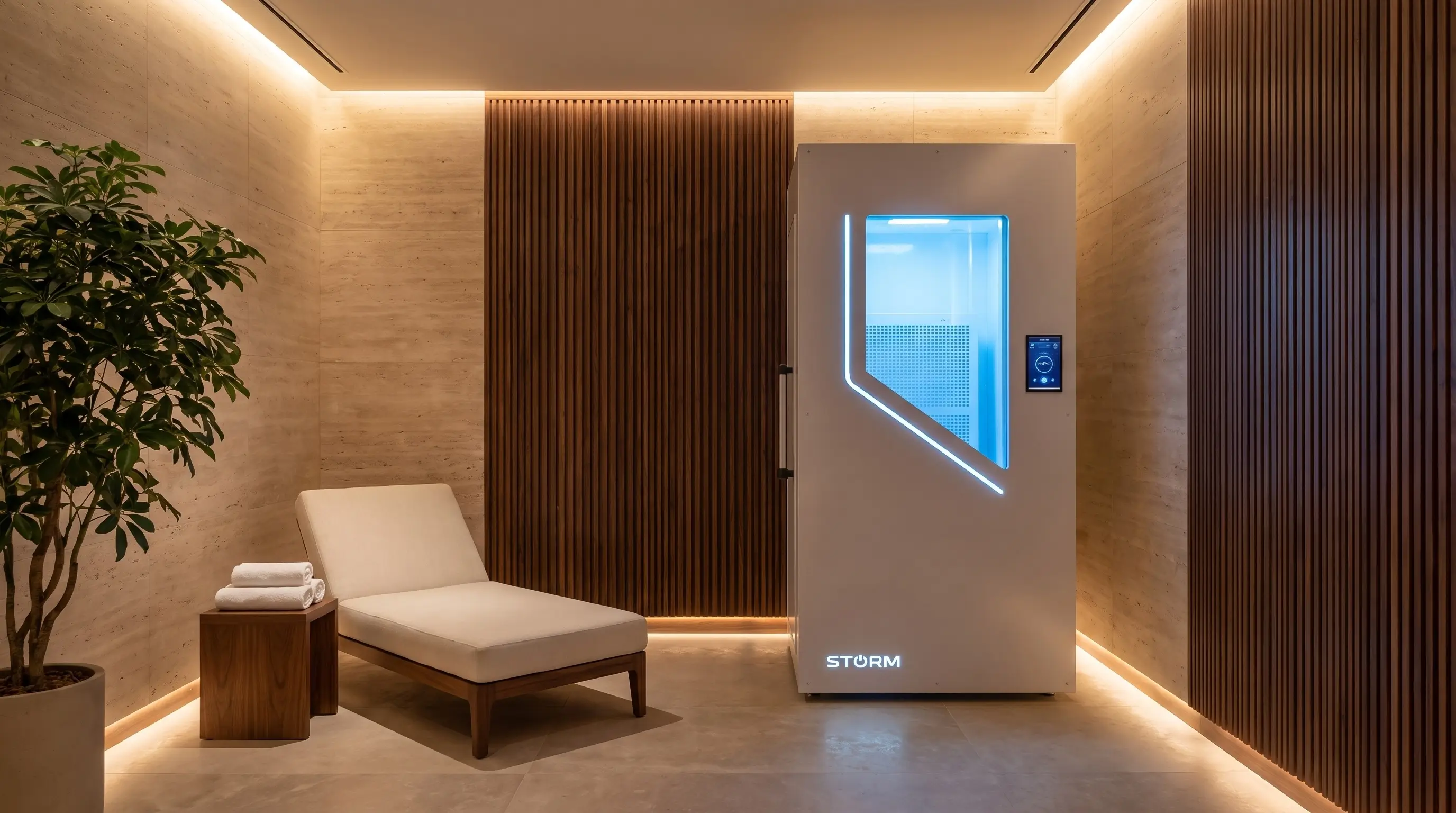
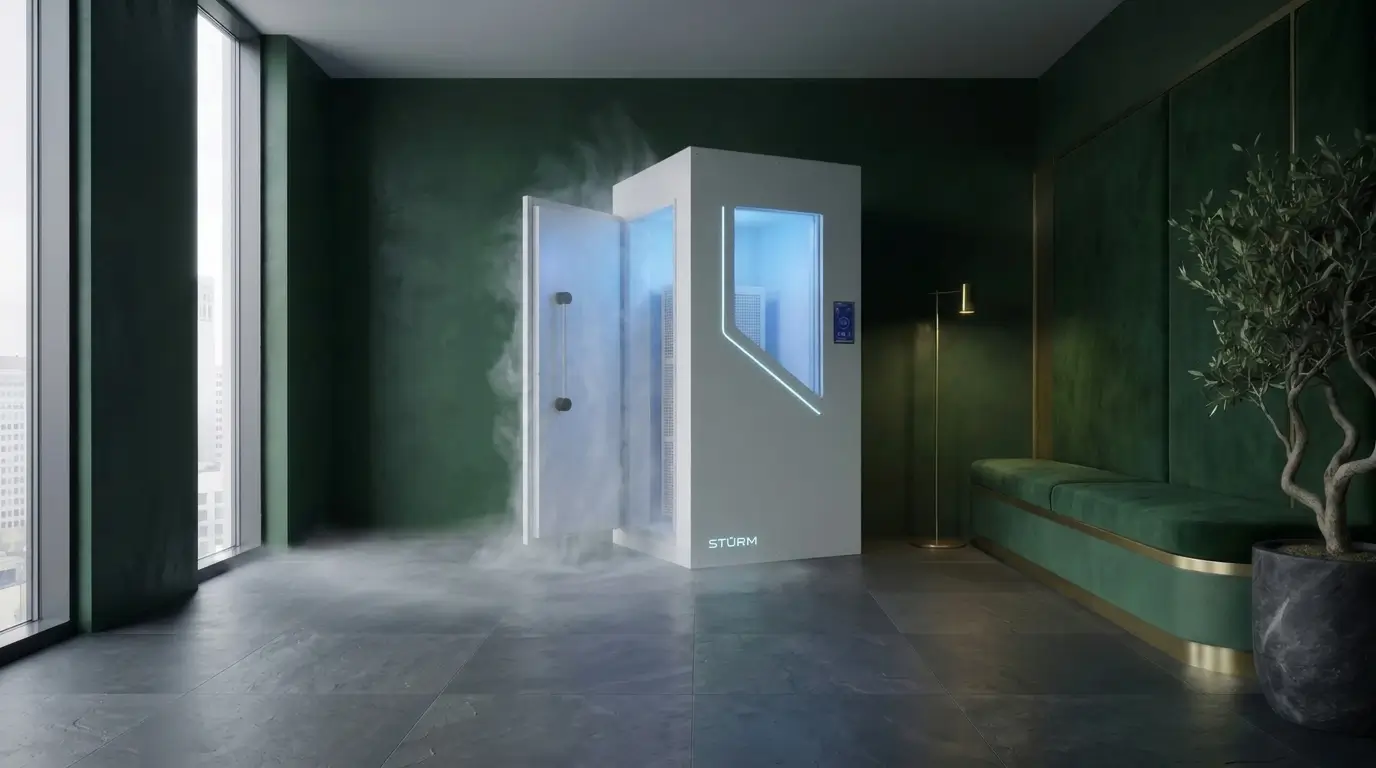
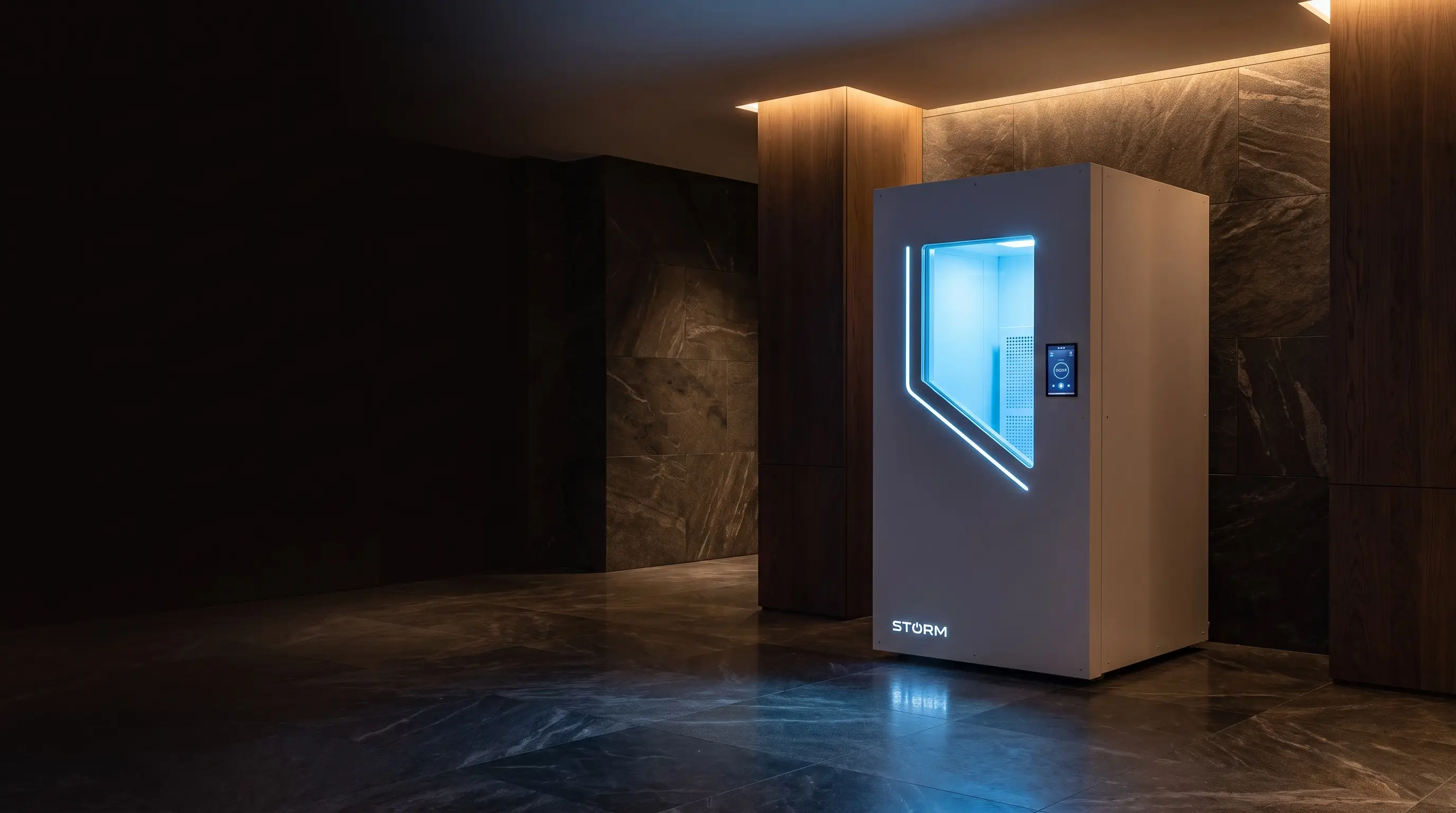
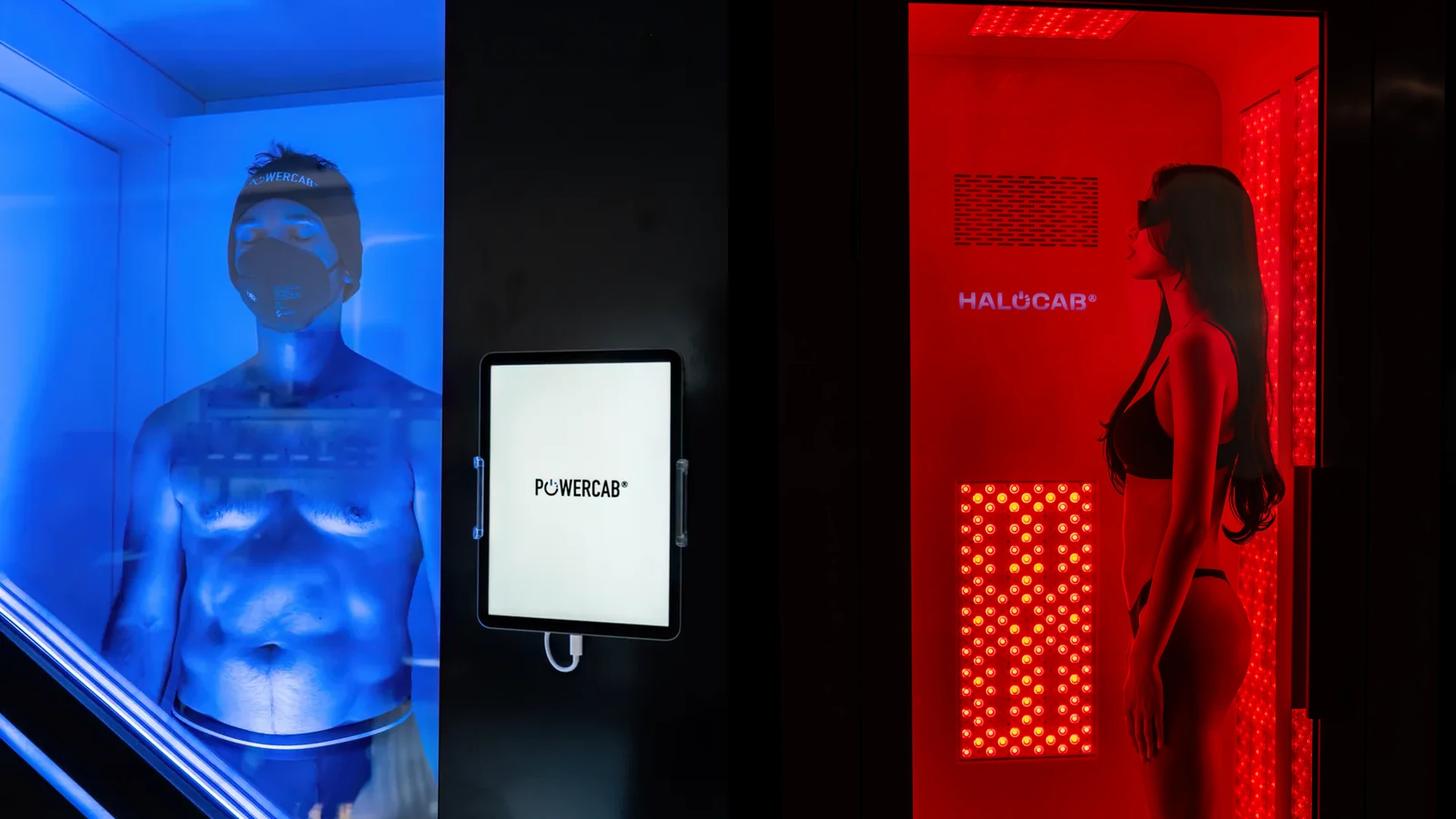
POWERCAB represents this generation: down to −110 °C, [2] 2- to 4-minute sessions, no liquid nitrogen, developed and manufactured in Berlin.
Trend 2: Photobiomodulation beyond professional sport
Red-light applications were long insider knowledge among performance coaches. In 2026 they have arrived in the mainstream of the premium clientele – with a clear leap in quality. Instead of a single red-light lounger, users today expect multi-wavelength systems with documented spectral characteristics and an immersive setting.
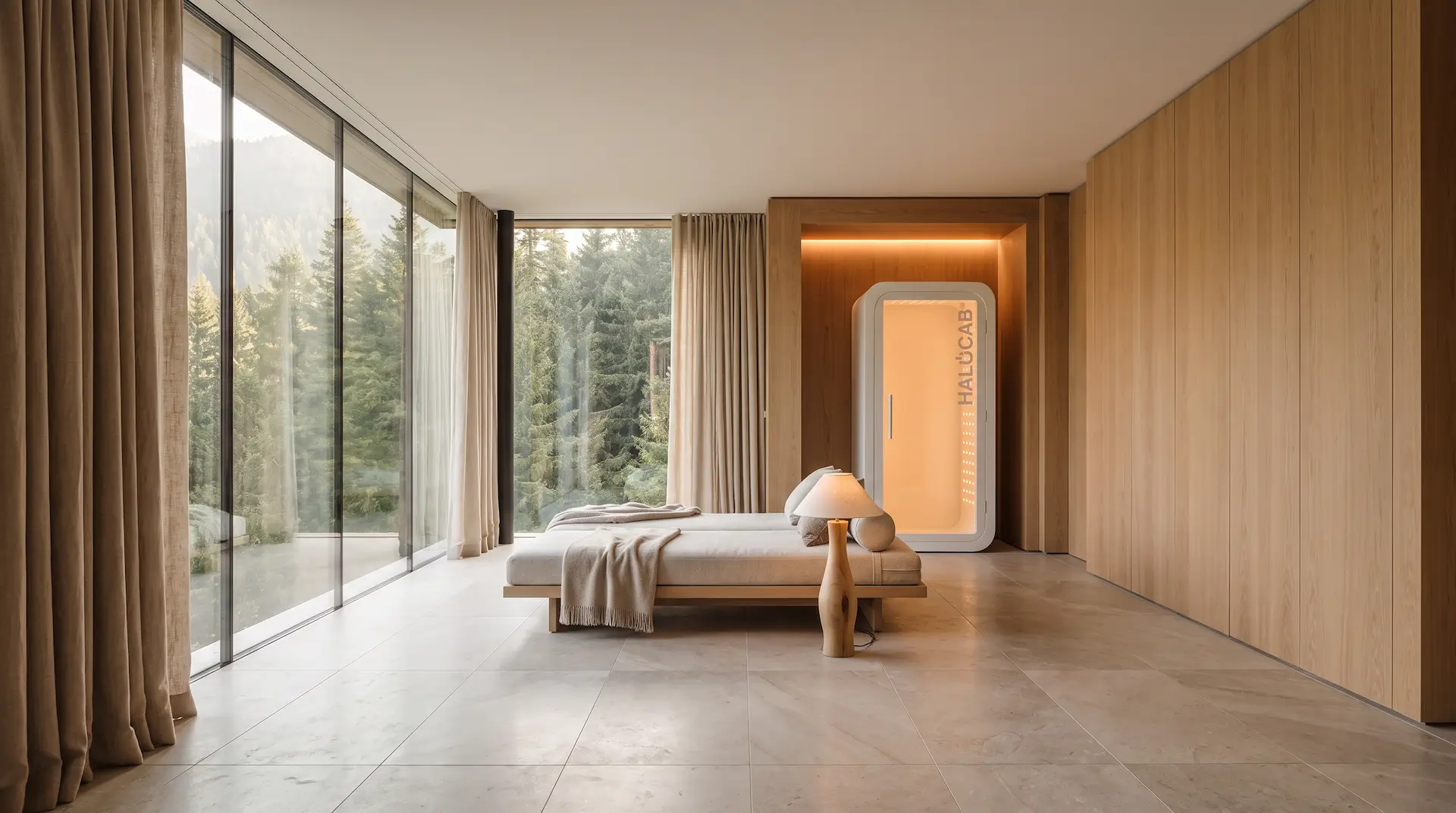
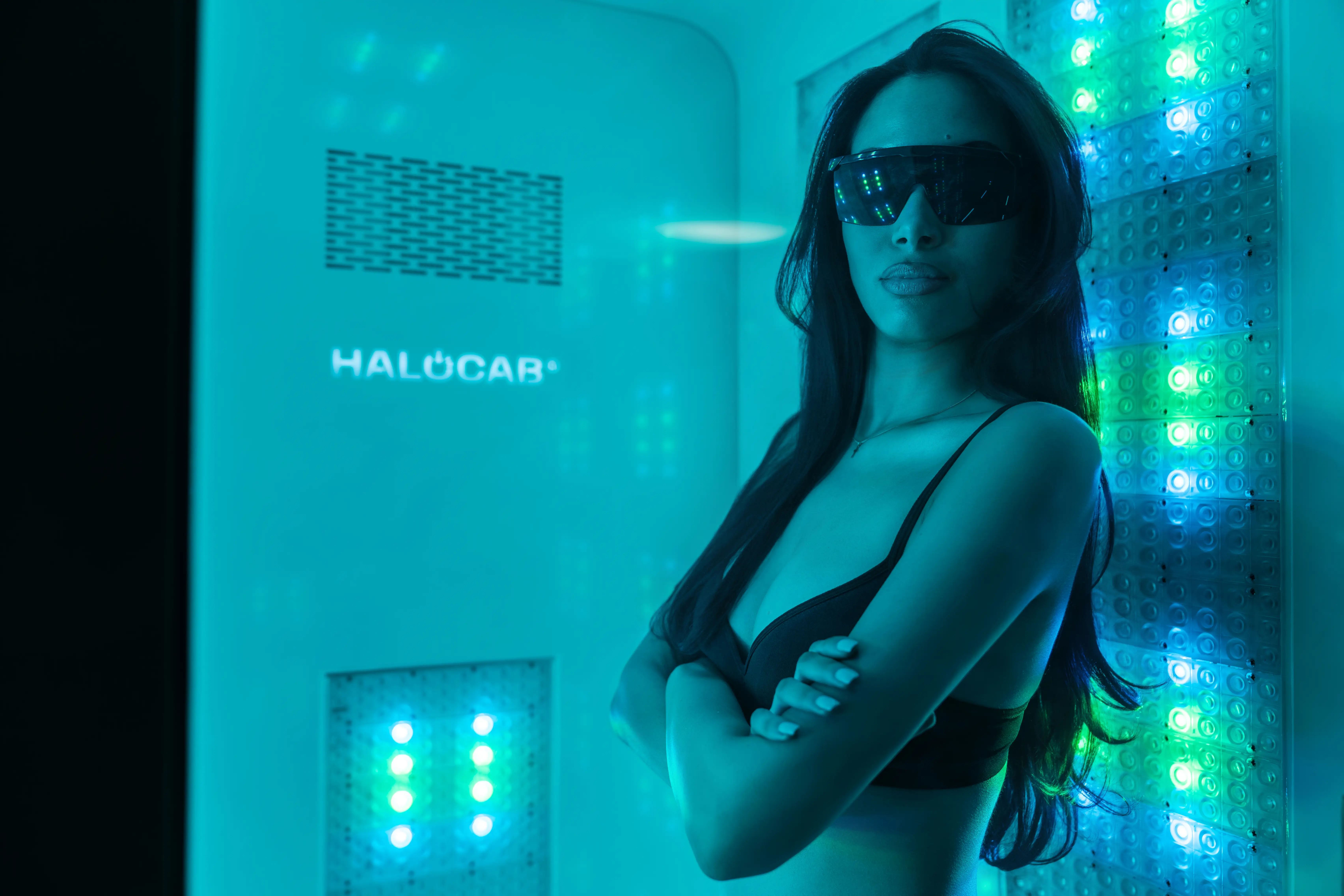
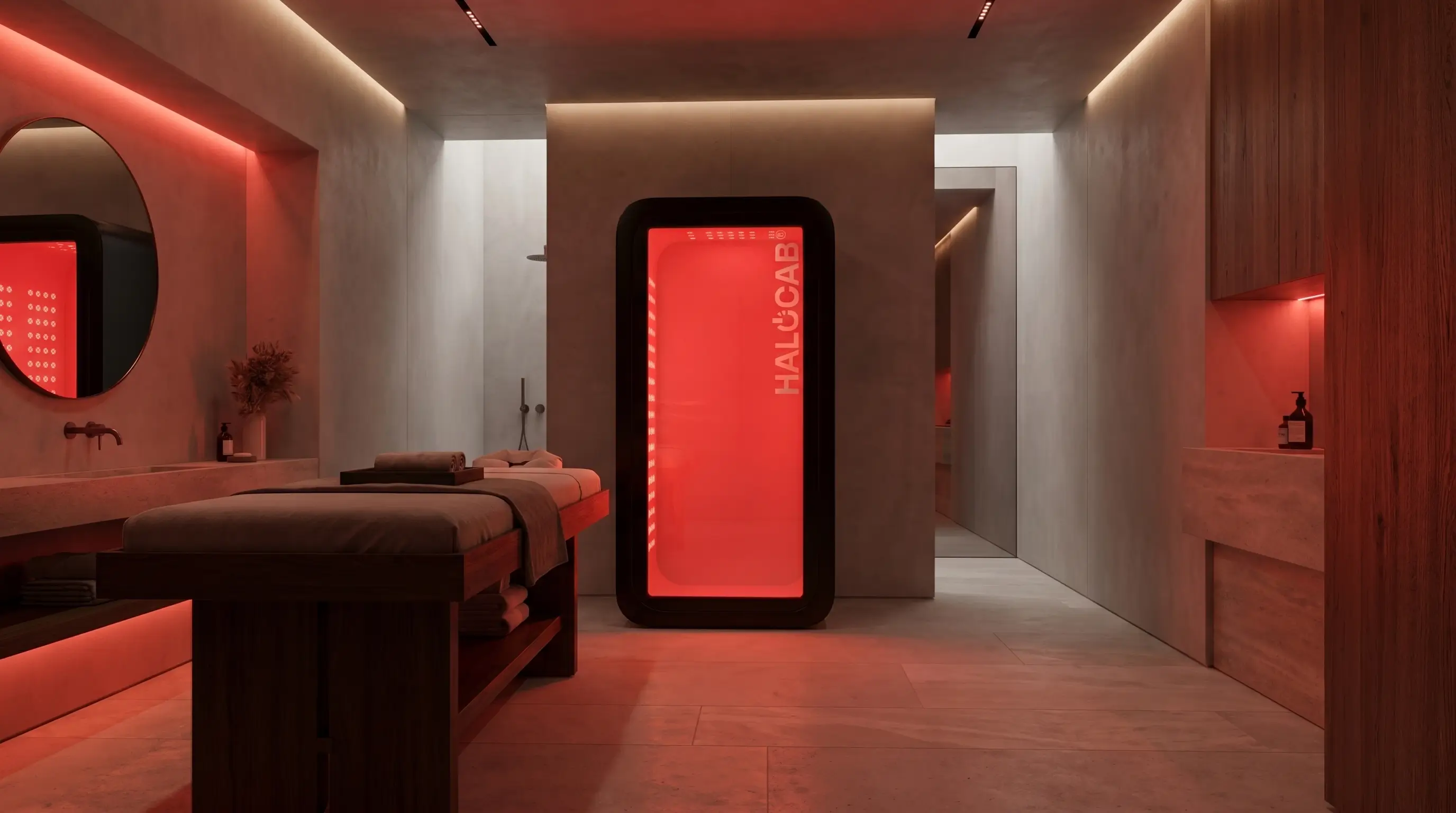
HALOCAB brings together a full spectrum (480/525/630/660/810/830/850/940/1,060 nm) plus salt inhalation, ionised oxygen, frequencies and aroma – a different category from the red-light bed that was still state of the art a few years ago.
Trend 3: Active muscle applications without training effort
Executives and frequent travellers struggle with one constant: time. Classic strength training demands several hours per week. Biohacking-oriented users seek modalities that enable muscle activity in compact sessions.
Magnetic muscle stimulation such as ARMSTRONG fills this gap: around 30 minutes lying down, without sweating, without active movement – as a complement to training or as a travel substitute. For the growing clientele between meetings, travel and family, that is an attractive offering.
Trend 4: Holistic stacks instead of single applications
The clearest break from earlier years: in 2026, thinking is no longer in single modalities but in stacks. A typical premium stack combines:
- Cryo (POWERCAB) for the activating freshness experience
- Photobiomodulation (HALOCAB) for the calm, immersive application
- MMS (ARMSTRONG) for efficient muscle activation
- Breath training and mental coaching as mental components
- Body-composition diagnostics to measure success
Recovery studios, longevity hotels and high-end private clients build these stacks into structured multi-week programmes – with a documented progression, wearable connection and periodic re-evaluation.
Important here: the order counts. Cryo first, then calmer modalities such as photobiomodulation and breathwork, has proven effective. MMS can be built in at various points, depending on time of day and preference.
Trend 5: Data-driven personalisation via AI and wearables
Six Senses puts it clearly in its 2026 wellness trend report: AI won’t replace wellness practitioners – it will elevate them. [1] AI-supported personalisation is no longer a toy but a growing market standard:
- Wearable connection: Oura, Whoop, Apple Health and Garmin feed everyday data into programme selection.
- Adaptive programmes: devices such as HALOCAB adjust modalities based on inputs and progression data.
- Tracking dashboards: users see progression and effect – a factor that increases retention.
- A shared data space: recovery coach, studio manager and user access the same basis.
For operators, that means: software integration in 2026 is not a nice-to-have but a strategic purchase decision with every equipment acquisition.
What both clienteles have in common – and what sets them apart
At first glance, two different groups. In fact, their requirements overlap strongly.
Commonalities: high load and short recovery windows, willingness to follow structured programmes, appreciation for measurable progress, premium expectations of technology and service, growing interest in the mental component.
Differences: professional athletes often need seasonally high-frequency sessions, executives more consistent weekly routines. Athletes work with team physios, executives more solo or via concierge services. Athletes measure performance output, executives more quality of life and sleep.
For operators, that means: both segments can be served with the same core equipment but need differently packaged programmes.
Stack
One stack, two audiences
A schematic view of the order described in this article. An actual programme depends on equipment, support and personal requirements.
The role of the premium hotel in the trend
Growing wellness tourism (up 13.8 percent from 2023 to 2024) [3] and the affluent wellness clientele show that many users want to continue their routines while travelling too. Hotels with a dedicated longevity offering serve exactly this demand:
- a recovery suite with cryo, photobiomodulation and MMS
- connection to the guest’s wearables for seamless routines
- coach and concierge service for structured mini-programmes during the stay
- clear brand communication as a longevity destination
The wellness real estate segment, which according to the GWI is expected to grow 15.8 percent annually through 2029, benefits directly from this. [3]
Conclusion
Biohacking in 2026 has grown up: the modalities are established, the clientele broad, the stacks structured, the data measurable. Cryo, photobiomodulation and MMS are the three core modalities setting the standard in the performance and longevity market. POWERCAB, HALOCAB and ARMSTRONG stand as a German ecosystem for exactly this generation – integrated, documented, made in Germany.
Discover the POWERCAB cold chamber · Discover the HALOCAB longevity cabin
Sources
- Six Senses: Wellness Trends 2026 (Six Senses / IHG, 2025).
- Bouzigon R. et al.: Cryostimulation for Post-exercise Recovery in Athletes: A Consensus and Position Paper. Frontiers in Sports and Active Living, 2021;3:688828. https://doi.org/10.3389/fspor.2021.688828
- Global Wellness Institute: Global Wellness Economy Monitor 2025 (November 2025). https://globalwellnessinstitute.org/industry-research/2025-global-wellness-economy-monitor/