Combining Cryotherapy and Red Light: Why Timing Is Decisive
In the professional recovery and longevity field, two modalities are considered fixtures. Whole-body cryotherapy stands for a brief, intense cold stimulus and an invigorating sense of freshness. Photobiomodulation stands for a calm, cell-activating light application. The interesting question is not which is better, but how to combine the two intelligently. This guide shows the differences, a workable protocol and the commercial logic behind it.
What distinguishes the two modalities
Cryo and photobiomodulation are often found in the same concept for good reason. However, they work through entirely different mechanisms.
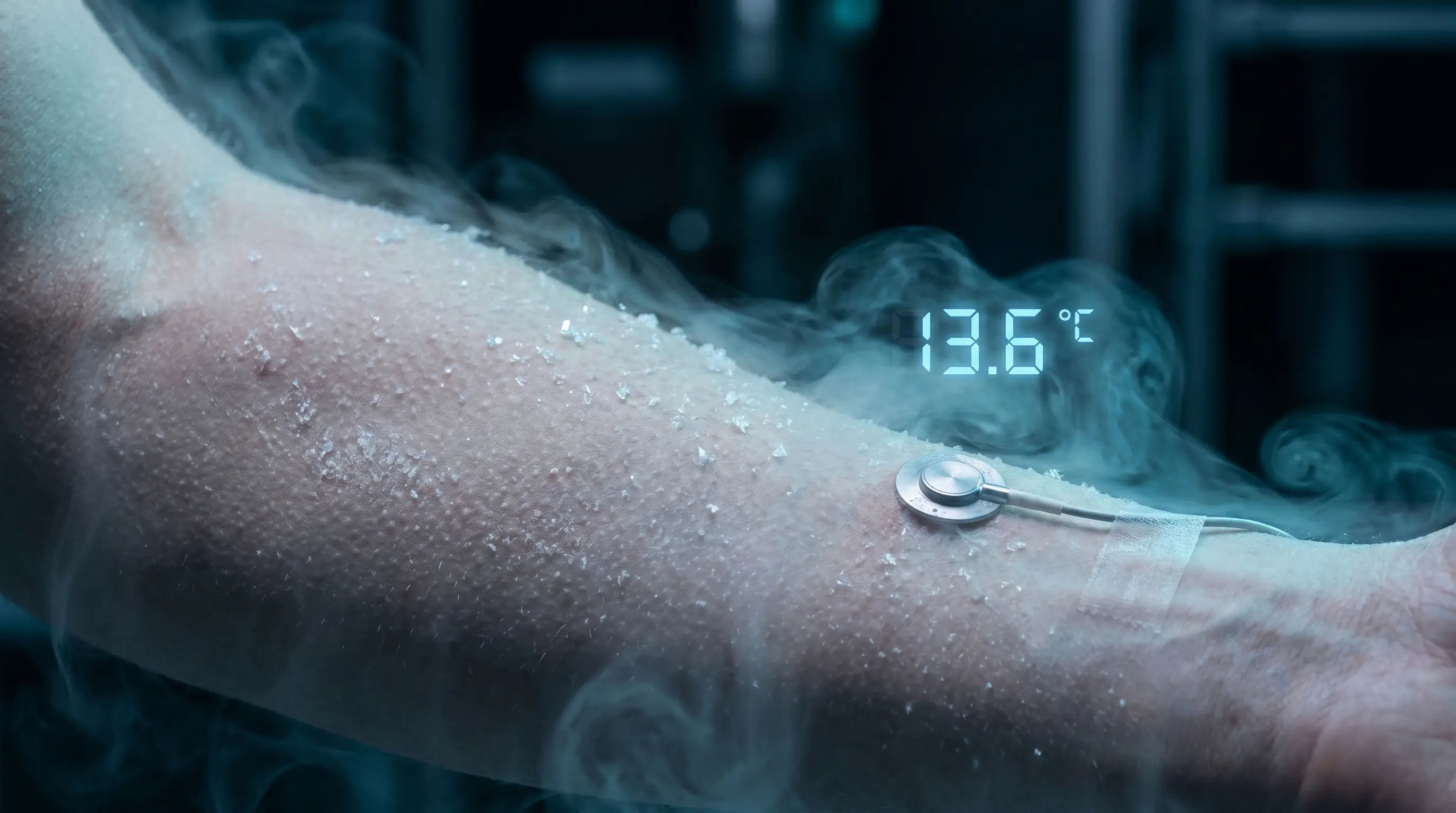
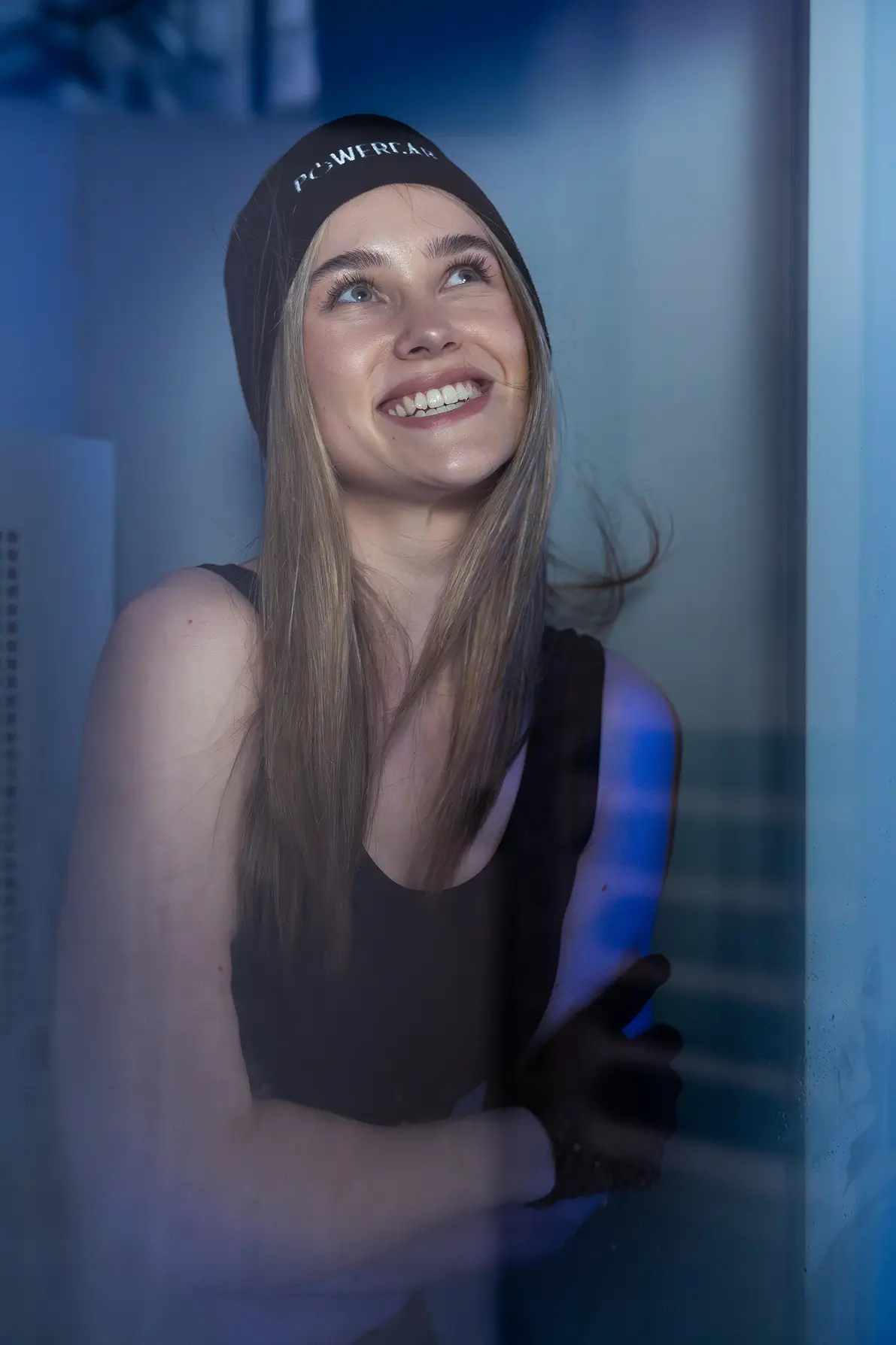
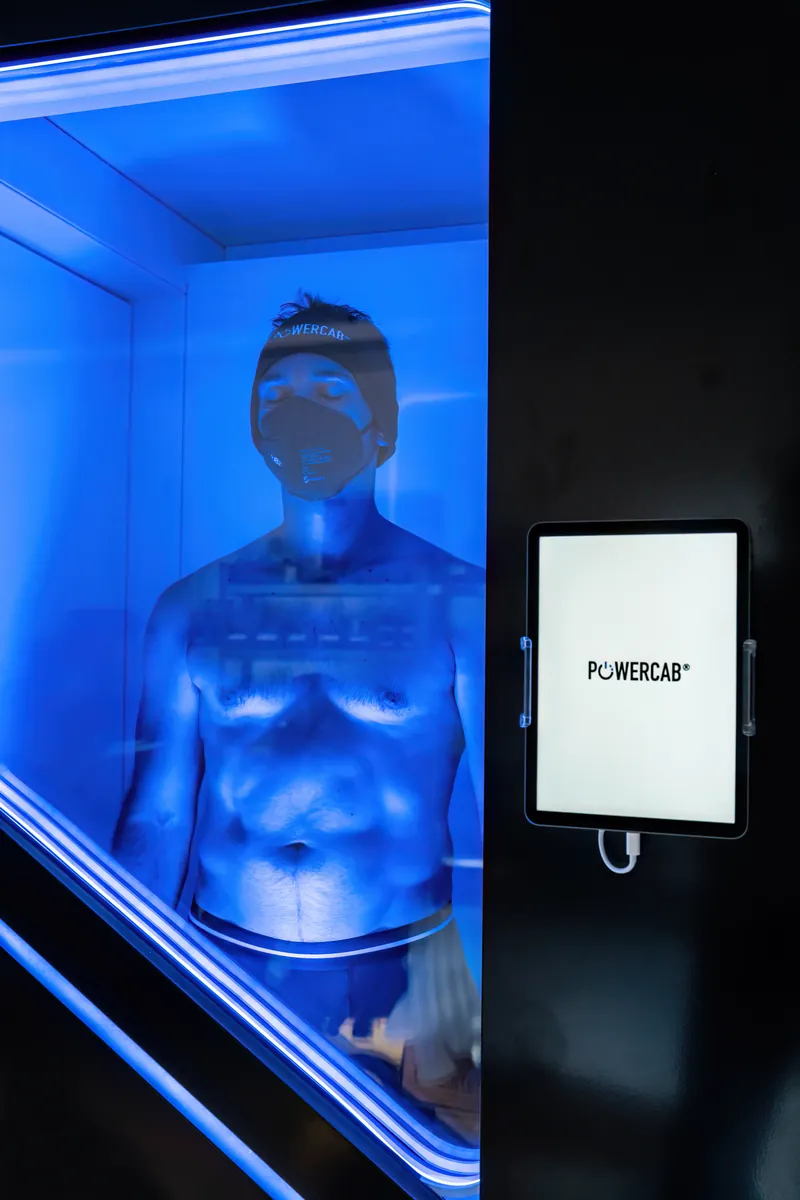
Whole-body cryotherapy uses a brief, controlled cold exposure. In the scientific standard, the application temperature is down to −110 °C for a duration of 1 to 4 minutes. [1] A study by Jdidi et al. (Journal of Physiological Anthropology, 2024) examines skin temperature as a reference value and describes how long it takes to reach a defined skin temperature: normal-weight participants after about 4 minutes, overweight participants after about 3 minutes 30 seconds. [2] This provides a methodological reference point for individual application duration – and is not a statement about a health effect.
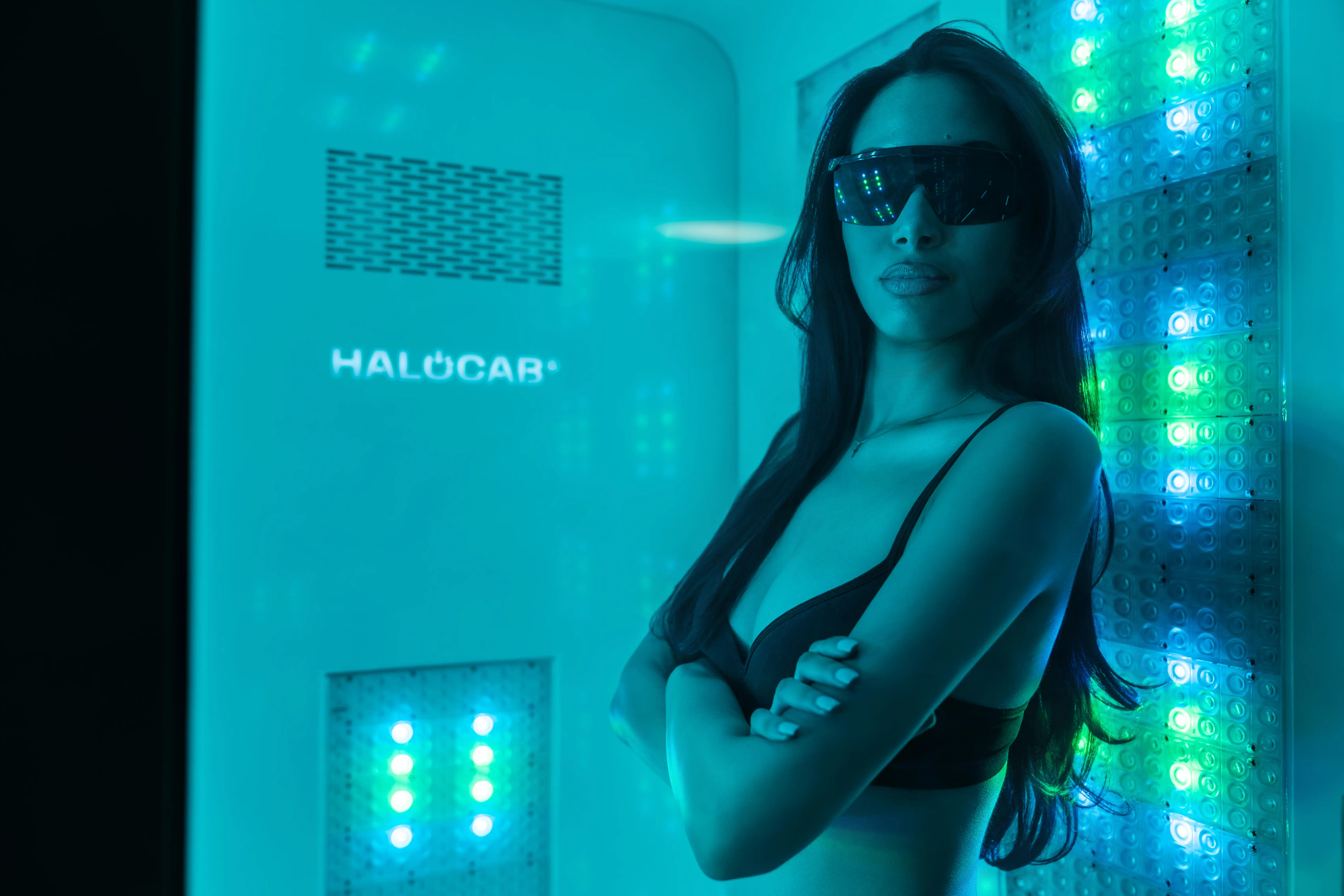
Photobiomodulation works fundamentally differently. Visible red and near-infrared light in the 600 to 1,100 nm range is absorbed at the cellular level by the enzyme cytochrome c oxidase – non-thermal, without heat or cold load. [3] The application is calm and bright and typically lasts 15 to 25 minutes.
Put simply: cryo delivers an intense cold stimulus and a sense of freshness. Red light works calmly at the cellular level. The two complement each other – but the timing between them matters.
A note on context: this article describes mechanisms, procedure and application contexts and makes no statement about the health effects of any individual product. Some of the studies cited were conducted on specific groups and cannot be generalised.
Why timing is decisive
In practice, users report a stronger sense of wellbeing when they use both modalities regularly. Such reports are subjective. A sensible sequence separates the two applications in time or arranges them in a considered order.
What has proven effective: cryo first, then red light. The logic: the brief cold delivers the invigorating freshness experience. The body then returns to normal temperature. The following PBM session closes the application in a calm, bright atmosphere.
Suggested protocol for professional use
For recovery studios, hotel spas and performance centres, the following setup has proven effective:
- Step 1 – Preparation: the guest changes into sportswear or a robe and hydrates. A brief staff briefing on the procedure.
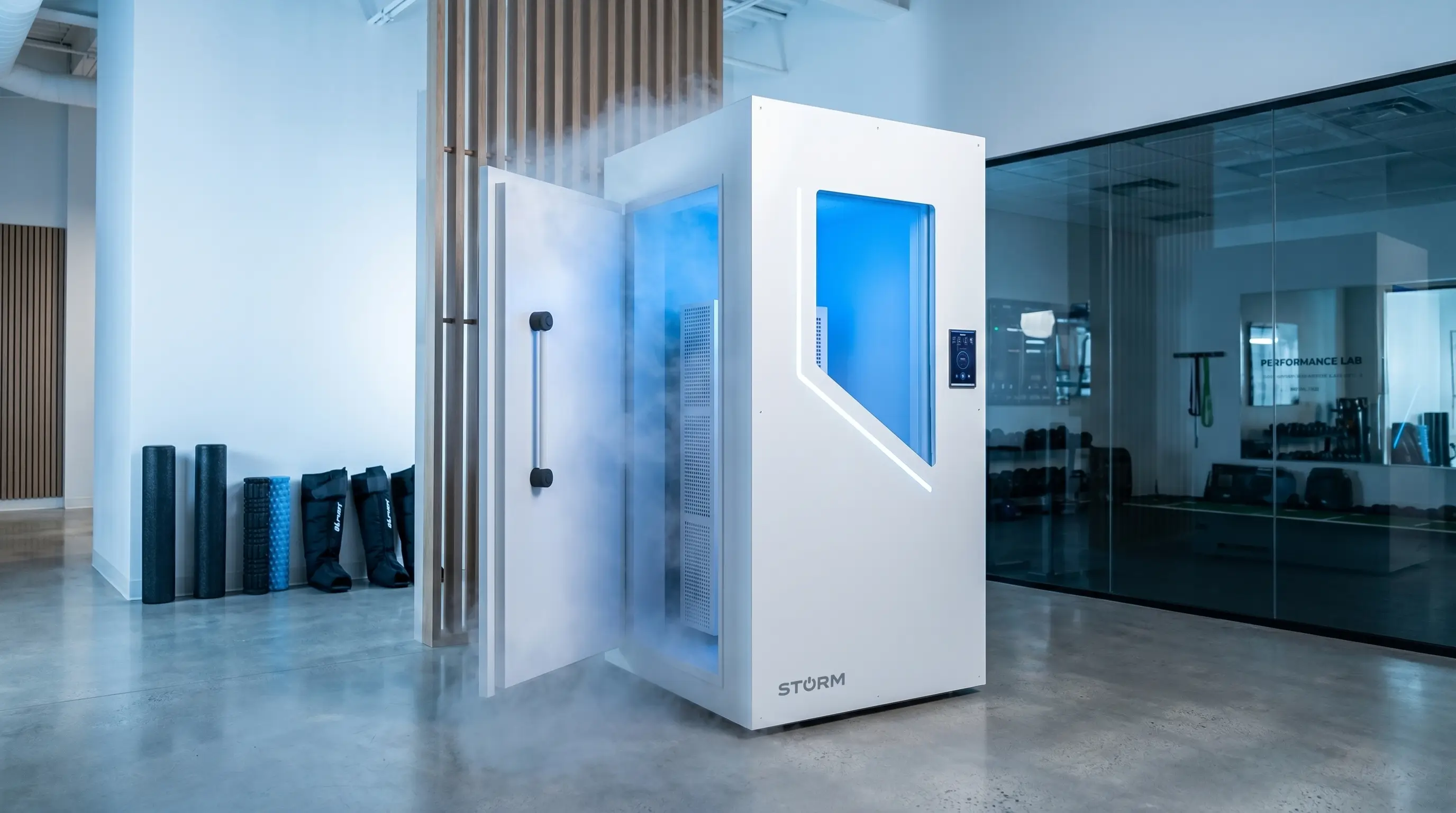
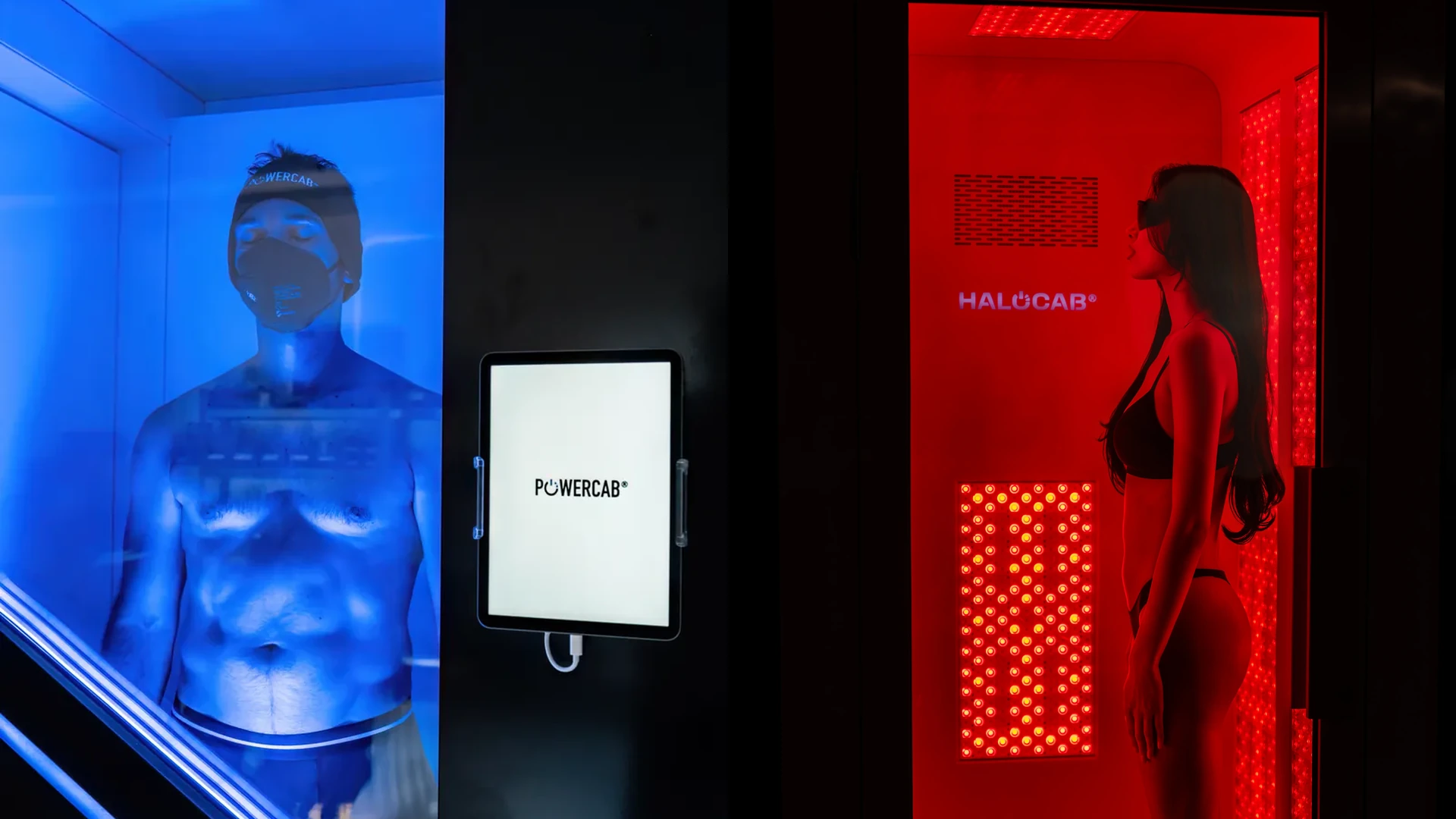
- Step 2 – POWERCAB session: 2 to 4 minutes depending on experience and body composition. Protective clothing is provided.
- Step 3 – Short break: 5 to 10 minutes of movement or recovery. The body returns to normal temperature.
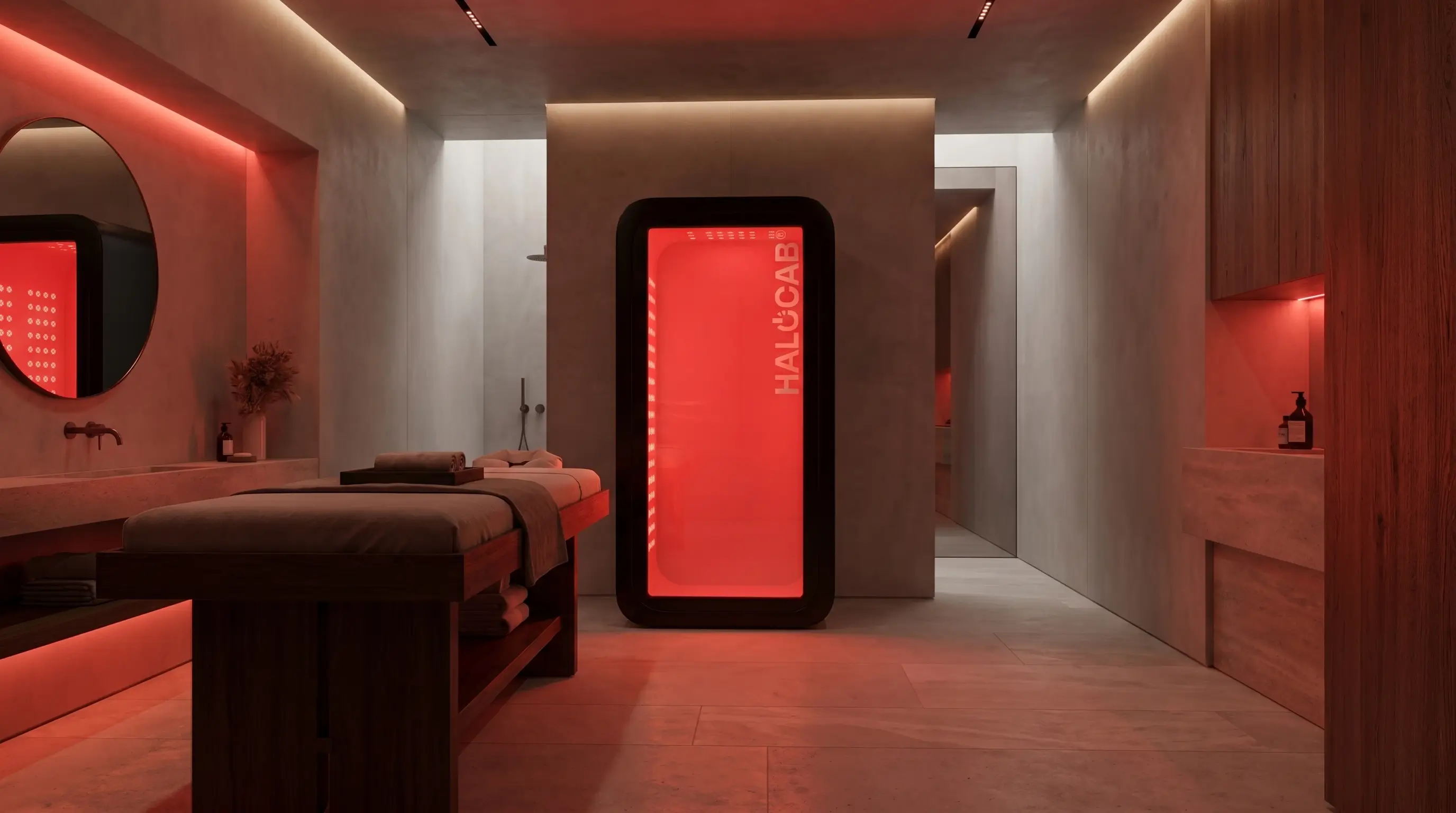
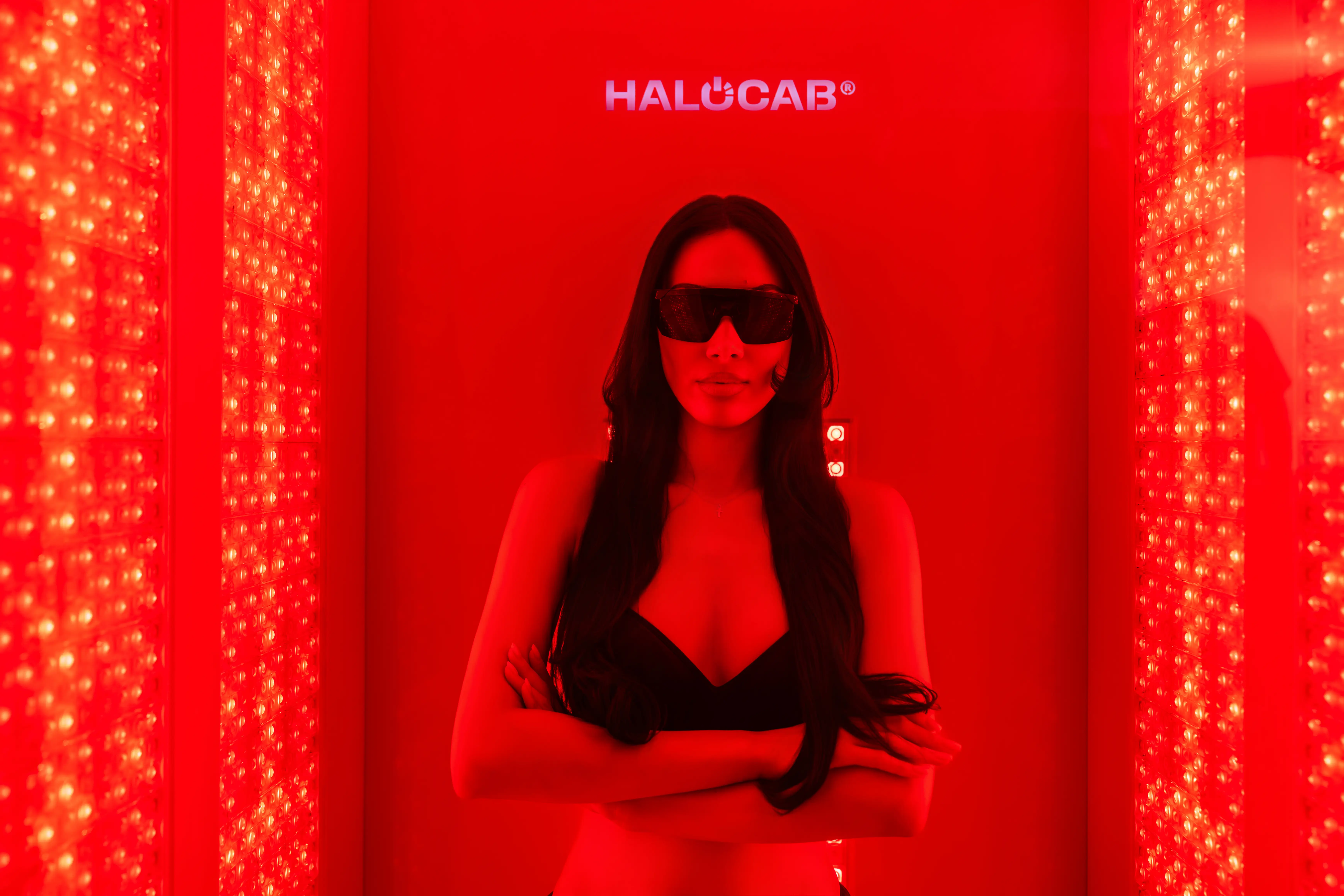
- Step 4 – HALOCAB session: 10 to 15 minutes seated. The programme depends on the application goal.
- Step 5 – Wrap-up: hydration and a brief reflection. Optional connection to a body-composition measurement or tracking app.
Recommended frequency: two to four times per week, depending on load and goal. Sports clubs often use the combination after competition days or particularly intense sessions.
Which audiences the combination makes sense for
- Professional athletes and recovery coaches: as a regular module of load management across the season.
- Hotel guests in longevity resorts: as a premium recovery experience and differentiator.
- Day-spa and wellness guests: for guests seeking a freshness experience and a calm PBM application.
- Biohackers and performance private clients: for users who value structured protocols and evaluation.
- Rehab and physio facilities: in the wellness area, outside prescribed applications.
Commercial logic for operators
- Cross-sell per guest: someone who books a four-minute cryotherapy application is very likely to be won over for a following 20-minute PBM application. Revenue per appointment rises.
- Complementary utilisation: the application durations do not overlap. A guest in the cold chamber does not block the red-light system. With the right scheduling, both devices can be highly utilised in parallel.
- Differentiated positioning: locations with both modalities position themselves as a longevity and performance address, not a classic wellness provider.
- Market growth: the Global Wellness Institute counts “traditional and complementary medicine” – including cryotherapy and photobiomodulation – among the fast-growing segments of the $6.8 trillion wellness market, with 10.8 percent annual growth through 2029. [4]
What to look for when choosing equipment
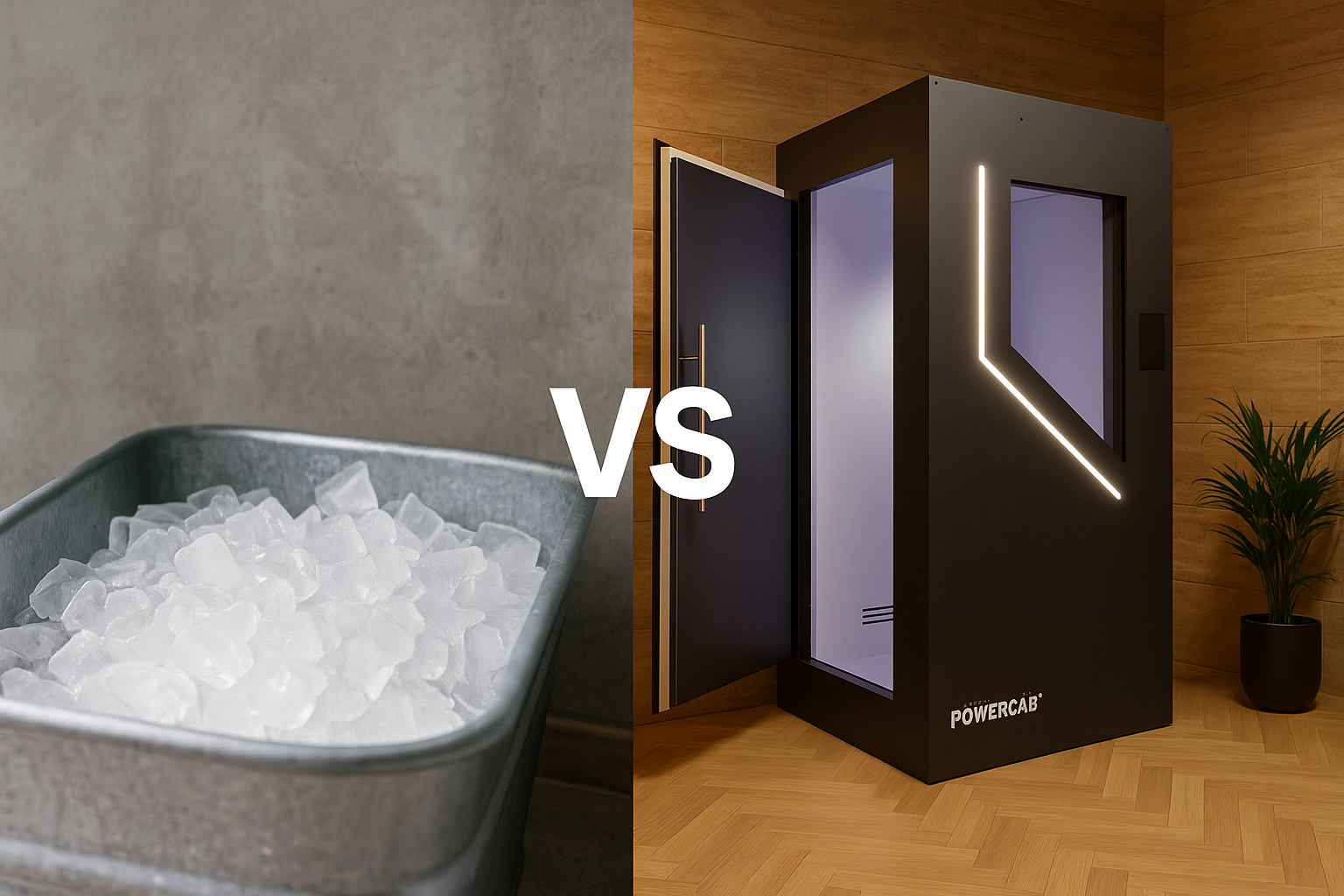
- Cryo technology: electric whole-body cold chambers such as POWERCAB offer lower operating costs than nitrogen-based systems, higher safety (no liquid nitrogen) and a true whole-body principle without an excluded head.
- PBM spectrum: high-quality systems cover more than 660 and 850 nm. HALOCAB works with blue (480 nm), green (525 nm), red (630/660 nm) and several NIR wavelengths (810/830/850/940/1,060 nm).
- Multi-modality: HALOCAB additionally integrates salt inhalation, ionised oxygen, frequencies and aroma.
- Software: AI-supported control connects the two applications into a seamless experience.
- Origin: POWERCAB and HALOCAB are developed and produced in Germany.
Conclusion
Cryotherapy and photobiomodulation are not an either/or, but building blocks of a coherent longevity and recovery concept. Correctly timed – cryo first, then red light, with a break in between – they complement each other into a coherent overall experience. For hotels, spas and performance studios, the combination of POWERCAB and HALOCAB is a logical answer to the standards currently establishing themselves in the longevity and recovery field.
Discover the POWERCAB cold chamber · Discover the HALOCAB longevity cabin
Sources
- Bouzigon R. et al.: Cryostimulation for Post-exercise Recovery in Athletes: A Consensus and Position Paper. Frontiers in Sports and Active Living, 2021;3:688828. https://doi.org/10.3389/fspor.2021.688828
- Jdidi H., de Bisschop C., Dugué B., Bouzigon R., Douzi W.: Optimal duration of whole-body cryostimulation exposure to achieve target skin temperature. Journal of Physiological Anthropology, 2024;43:28. https://doi.org/10.1186/s40101-024-00375-2
- Barolet D.: Light-Emitting Diodes (LEDs) in Dermatology. Seminars in Cutaneous Medicine and Surgery, 2008;27(4):227–238.
- Global Wellness Institute: Global Wellness Economy Monitor 2025 (November 2025). https://globalwellnessinstitute.org/industry-research/2025-global-wellness-economy-monitor/

.webp)
.webp)