Recovery Suite Instead of Spa: How Premium Hotels Turn Longevity Into a Booking Driver
The global spa sector grew by 14.6 percent from 2023 to 2024, wellness tourism by 13.8 percent. [1] Both are top figures in the $6.8 trillion wellness market. But another trend is changing the hotel spa more profoundly than pure volume growth: premium resorts and city hotels are no longer positioning themselves merely as “wellness destinations”, but as longevity houses. Alongside classic spa applications, the recovery suite is gaining importance.
This article shows what has changed conceptually, which devices belong to the new standard equipment and why the investment refinances itself through higher room rates and longer stays.
What does “recovery suite instead of spa” mean?
The classic hotel spa follows an established logic: sauna, steam room, massage rooms, pool, perhaps a beauty salon. This equipment reliably serves a broad clientele. In the premium segment, however, it is no longer a differentiator but an expected standard.
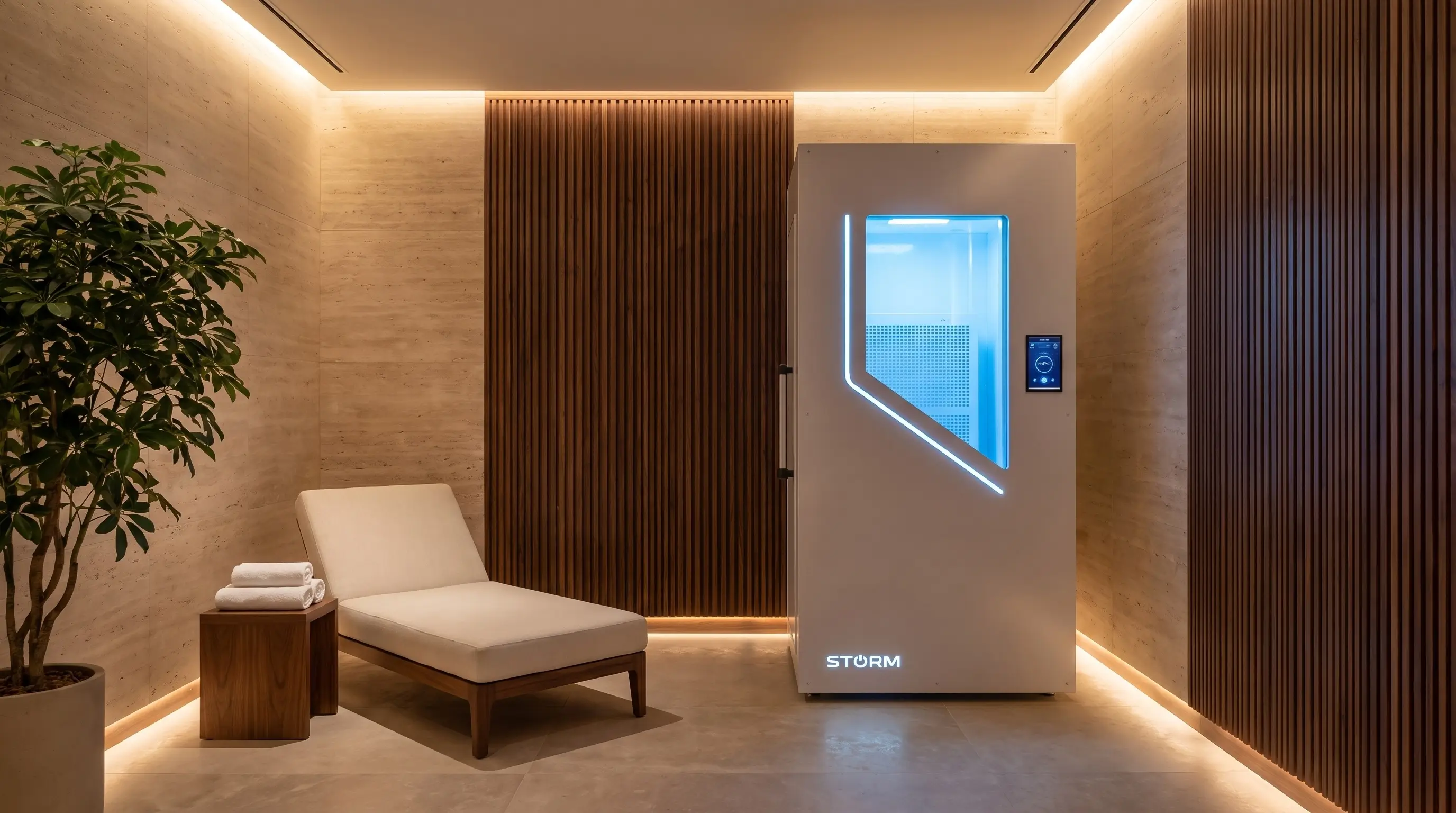
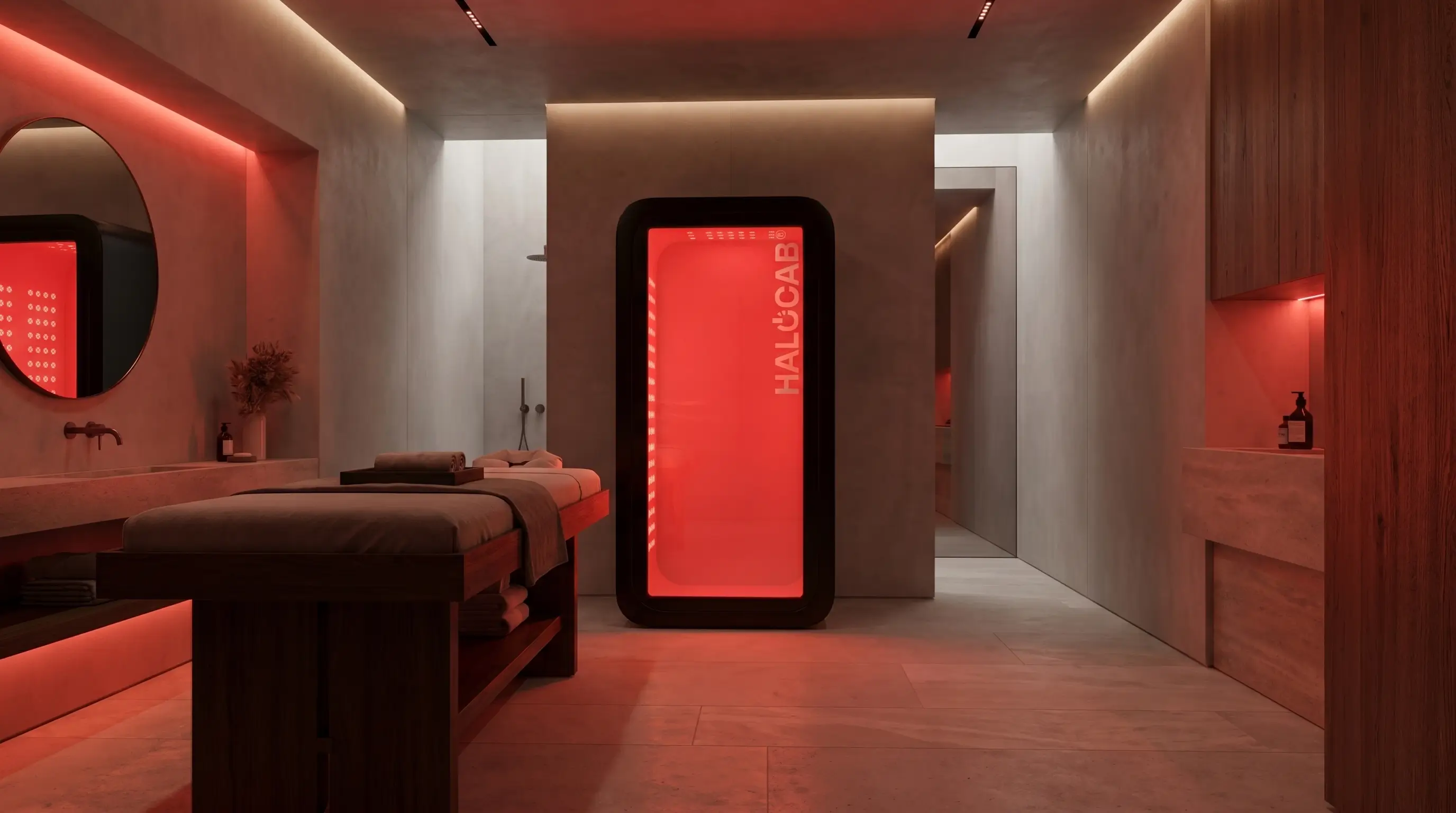
The recovery suite is a different category: a dedicated area geared specifically towards modern longevity and performance applications. Typical building blocks are:
- Whole-body cryotherapy for the activating freshness experience
- Photobiomodulation for a calm light application
- Magnetic muscle stimulation for efficient body applications without exertion
- Breathing technique and mental training in dedicated rooms
- Diagnostics via body-composition measurement, HRV tracking and wearable integration
The recovery suite addresses a different clientele from the classic spa: performance-oriented travellers, biohackers, vitality-conscious older guests and executives who prioritise efficiency over dwell time.
Why the trend is gaining momentum now
Three market drivers come together:
- Demographics: by 2030, according to the WHO, one in six people worldwide will be 60 years or older. [2] This clientele has purchasing power and seeks active vitality offerings instead of passive relaxation.
- Premium demand: guests whose trip is primarily motivated by wellness spend considerably more per stay than the average, according to the Global Wellness Institute. [1]
- Wellness real estate: with projected annual growth of 15.8 percent through 2029, wellness real estate is among the fastest-growing wellness sectors. [1] Hotels are increasingly conceived as longevity properties.
What makes the recovery suite different
Conceptually, the recovery suite differs from the classic spa in four points:
- Programme logic: instead of free-form applications, structured applications are offered – such as “90 minutes recovery”, “longevity half-day” or “performance reset” with a clear sequence and duration.
- Personalisation: instead of standard sauna times, programmes are adapted to guest, time of day and goal, ideally software-supported.
- Data connection: body-composition measurement before and after the stay, connection to wearables, documented progress – a measurable wellness experience.
- Margin structure: a 90-minute recovery application can be sold at prices above classic spa treatments. Cross-sell with massage, aesthetics and nutritional advice expands the basket per guest.
Which devices belong to the standard equipment
Most new recovery suites in the premium segment combine three to four core modalities:
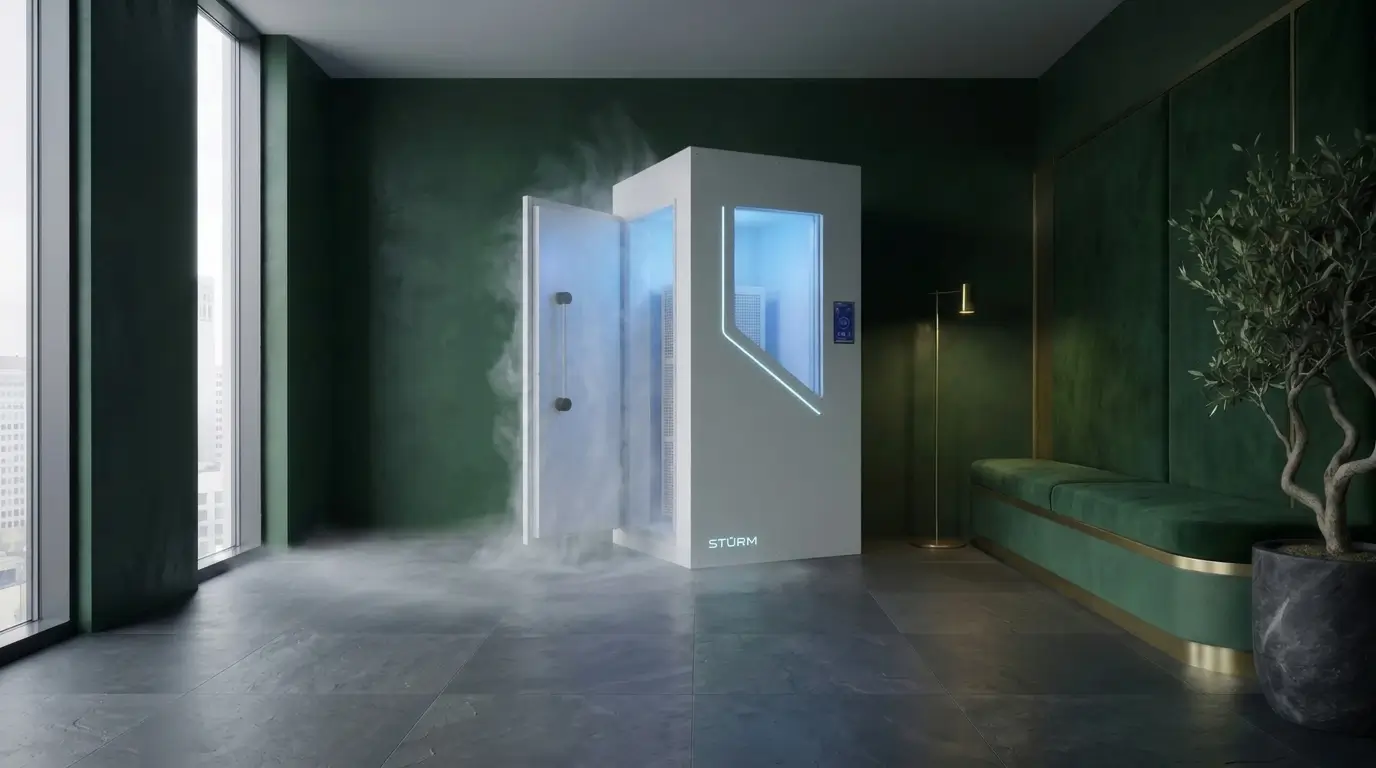
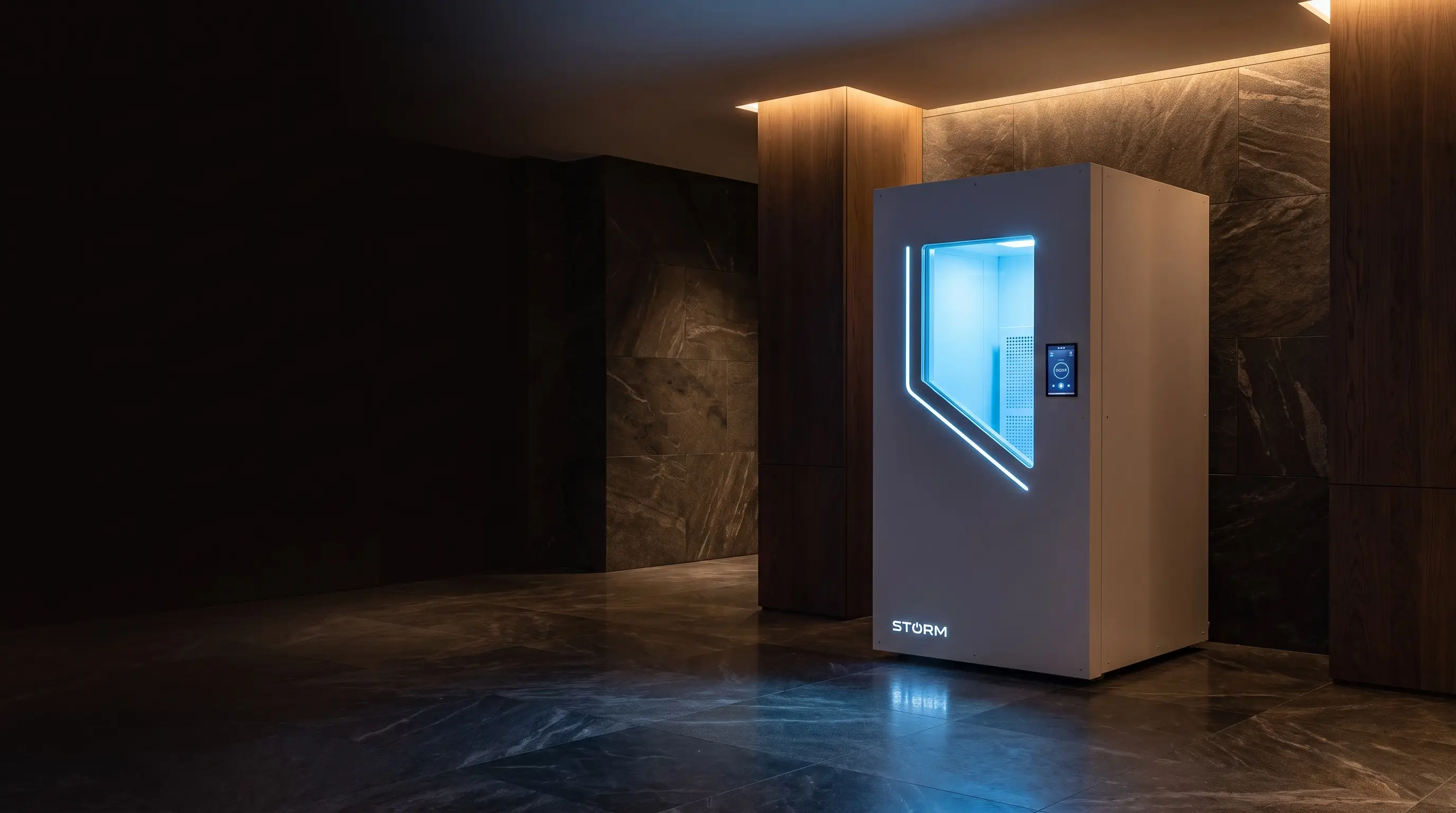
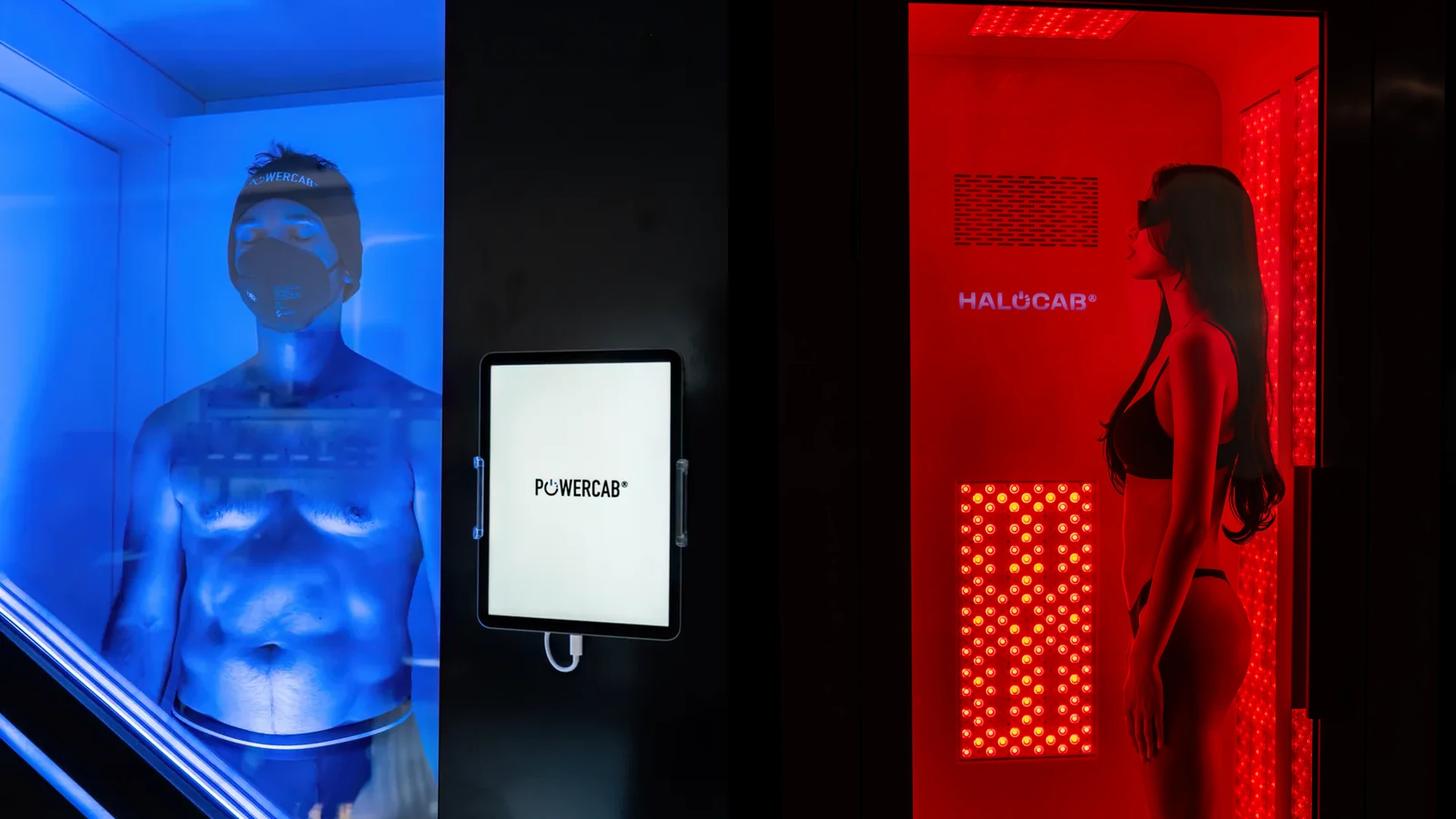
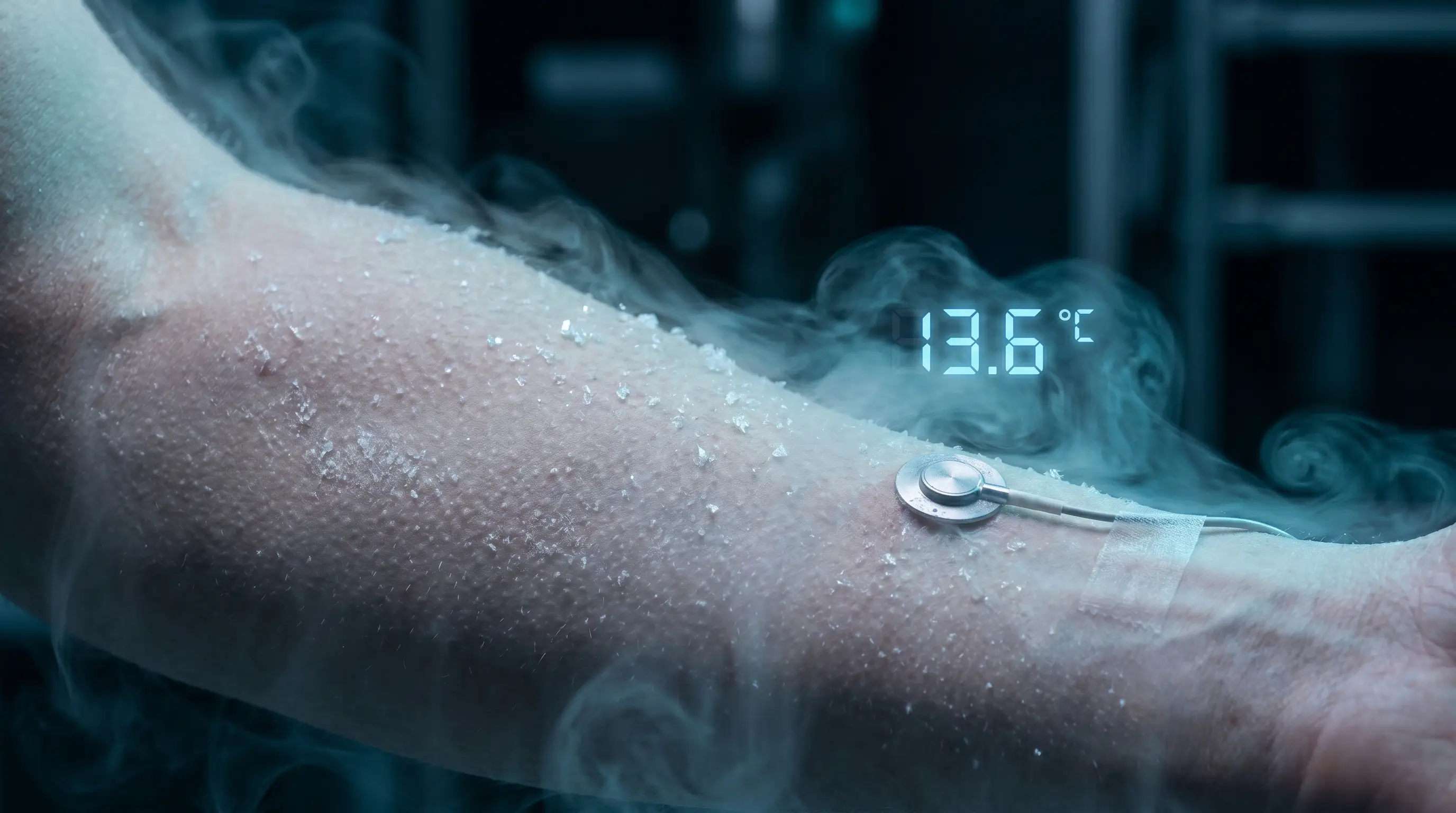
- Cold chamber: electric whole-body cold chamber down to −110 °C, [3] 2- to 4-minute sessions, no liquid nitrogen, a true whole-body principle including the head.
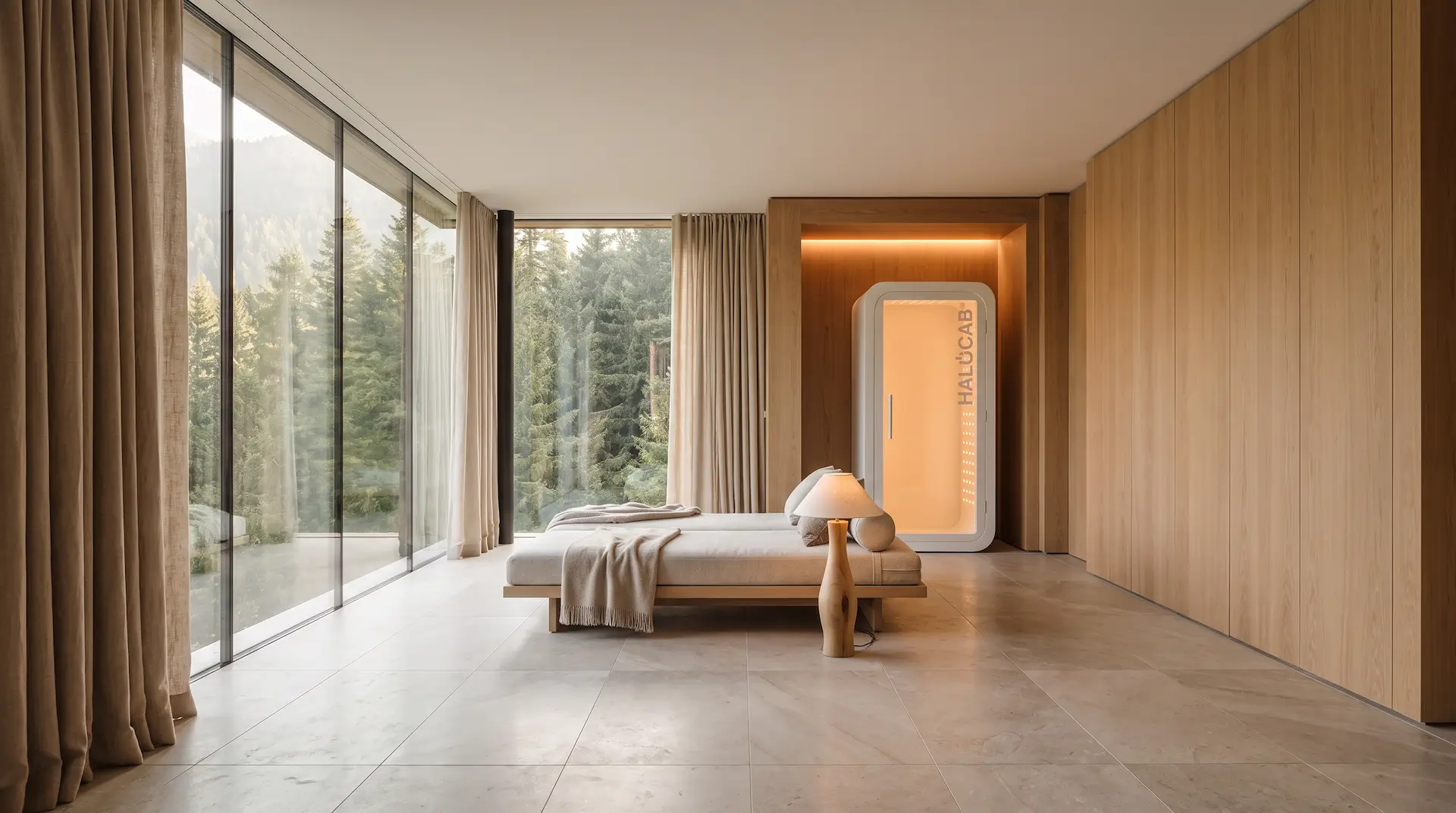
- Longevity cabin with photobiomodulation, mostly combined with other treatments.
- MMS: magnetic muscle stimulation as an active module, performed lying down, without sweating.
- Optional: PEMF mats, hyperbaric oxygen (HBOT), IV lounges or float tanks, depending on the concept.
Manufacturers such as Medner Longevity Systems offer the three core devices as an integrated ecosystem – an advantage for service, training and software.
Business model: how the recovery suite refinances itself
The investment is considerable, but the refinancing logic differs from the classic spa:
- Higher room rates: hotels with a dedicated longevity offering position themselves in the upper price segment.
- Longer stays: longevity programmes are typically booked over three to seven nights – instead of classic one- to two-night stays.
- Better off-season utilisation: longevity clientele travel throughout the year and smooth demand peaks.
- Direct application revenue: recovery sessions deliver a margin per guest above standard spa applications.
- Membership models: local premium clientele can be tied in via memberships – predictable recurring revenue even beyond overnight guests.
Examples in the market
International brands show the direction. Six Senses explicitly operates longevity-oriented properties, and several luxury groups are building wellness programmes far beyond classic spa service. In the German-speaking region, premium hotels in the Alps and on the North and Baltic Sea coasts are increasingly positioning themselves as longevity destinations.
What hoteliers should consider when designing
- Space and layout: a real recovery suite needs more space than individual application rooms. Often a re-organisation of the spa area makes more sense than an add-on.
- Staff profile: classic spa staff alone are not enough. Recovery coaches and wellness concierges with a performance understanding are in demand.
- Software integration: booking system, guest CRM and programme control should work together.
- Brand consistency: the recovery suite must fit the hotel brand. A classic resort spa with two additional devices is not the same as a considered longevity positioning.
Conclusion
“Recovery suite instead of spa” is not wordplay but a market trend that will shape the premium hotel segment over the next five to ten years. Hotels that invest today in a cold chamber, photobiomodulation and multi-modality concepts position themselves in the fastest-growing area of the wellness market. POWERCAB and HALOCAB are the German premium solutions – an integrated ecosystem for modern recovery suites in resort and city hotels.
Discover the POWERCAB cold chamber · Discover the HALOCAB longevity cabin
Sources
- Global Wellness Institute: Global Wellness Economy Monitor 2025 (November 2025). https://globalwellnessinstitute.org/industry-research/2025-global-wellness-economy-monitor/
- World Health Organization: Ageing and health (Fact sheet). https://www.who.int/news-room/fact-sheets/detail/ageing-and-health
- Bouzigon R. et al.: Cryostimulation for Post-exercise Recovery in Athletes: A Consensus and Position Paper. Frontiers in Sports and Active Living, 2021;3:688828. https://doi.org/10.3389/fspor.2021.688828