Cold Chamber: Electric or Nitrogen?
Demand for cold chambers is growing – in fitness studios, physiotherapy practices, rehab centres, wellness hotels and professional sport. When buying, a key question often arises: an electric cold chamber or a nitrogen one? This article sets out the main differences factually.
1. Operating principle
Electric cold chamber: modern compressors and refrigerants gradually cool the air inside the chamber – without external gases.
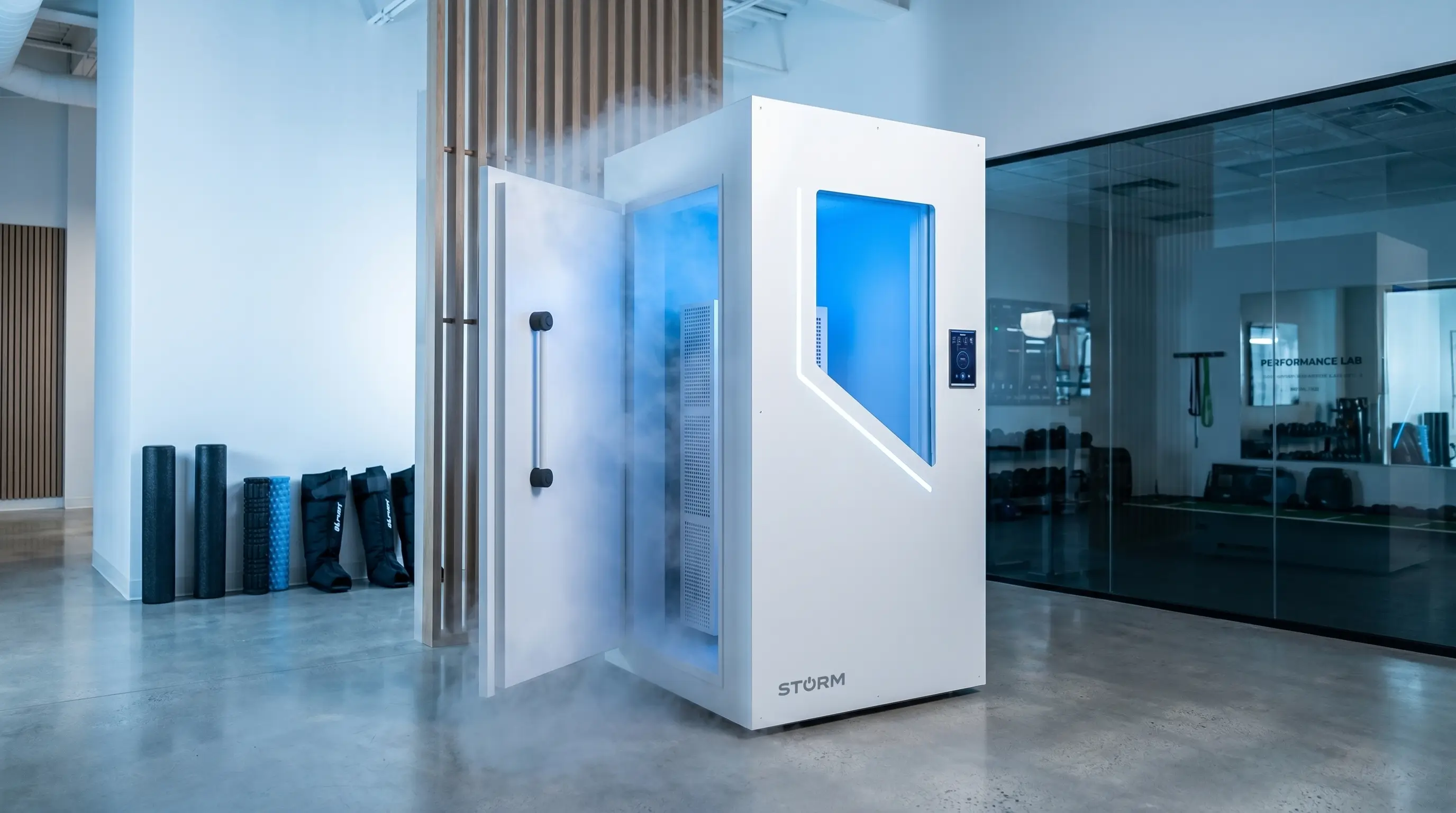
Nitrogen cold chamber: evaporated liquid nitrogen is directed into the cabin and produces low temperatures very quickly.
2. Temperature & operation
- Electric: down to approx. –110 °C, consistent and stable.
- Nitrogen: very low in the short term, but less uniform.
3. Operating costs
- Electric: electricity costs only, predictable and usually cheaper long-term.
- Nitrogen: ongoing costs for liquid nitrogen, considerably higher depending on consumption and region.
4. Safety
- Electric: no hazardous materials, simple installation, no nitrogen storage.
- Nitrogen: strict safety requirements (storage, ventilation); risk of oxygen displacement in the room.
5. Application & comfort
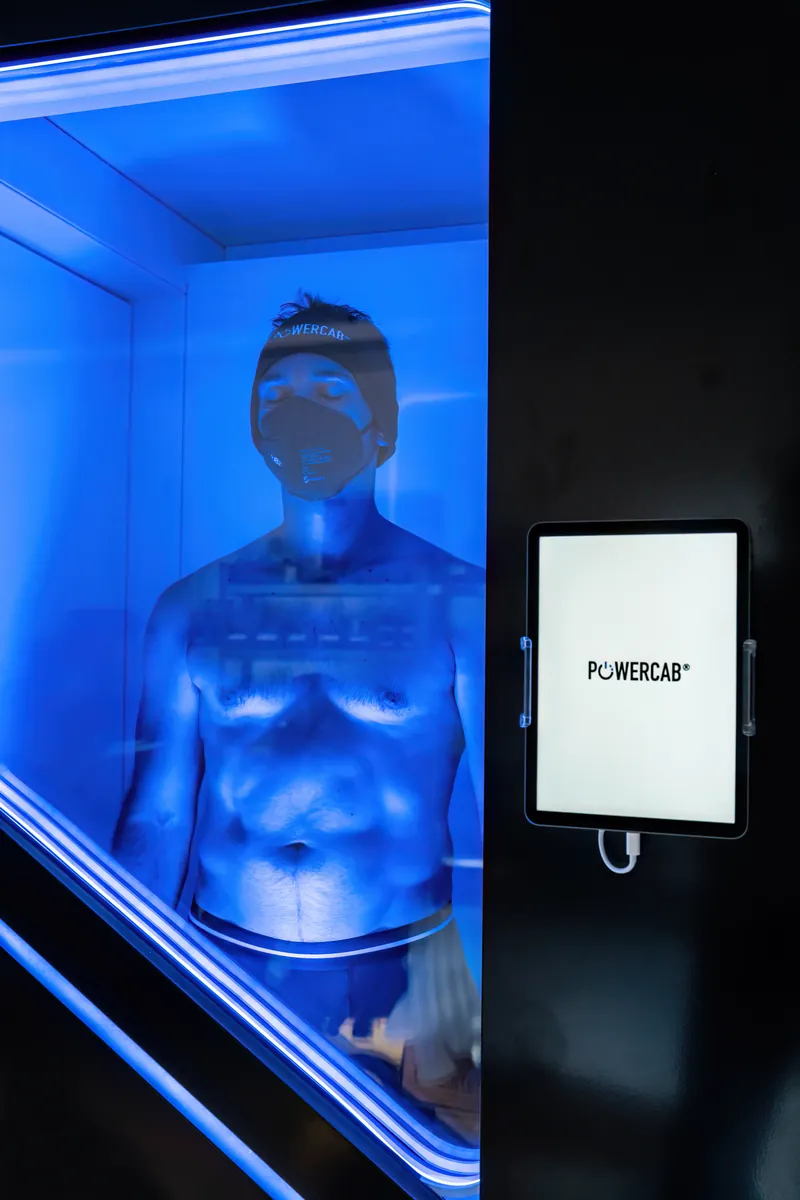
- Electric: walk-in chambers, several people at once, uniform air flow.
- Nitrogen: usually single cabins (“head-out”), the head stays outside.
A note on context: this article describes technology, economics and selection criteria and makes no statement about the health effects of any individual product.
Conclusion: which cold chamber to buy?
Anyone wanting to operate a cold chamber long-term, professionally and safely is generally better served by an electric chamber. Nitrogen chambers are a cheaper entry point but bring ongoing costs and higher safety requirements.
Recommendation: before buying, calculate the total cost of ownership (TCO) and consider the operating environment.

.webp)
.webp)